
Living through a remodel can save you the cost and disruption of moving, but only when the project is properly contained. Dust, noise, changing schedules, and limited access to essential rooms can quickly turn a manageable renovation into a daily strain. Understanding the risks and planning for them early helps you protect your health, budget, and peace of mind.
Your experience will depend on more than the design itself. Scope control, dust containment, realistic timelines, temporary living arrangements, and contractor accountability all matter. A phased project may work well when you can preserve a bathroom, kitchen, and safe sleeping area. Major demolition, hazardous materials, or prolonged utility outages may make moving out the more practical choice. Knowing your limits and keeping cash available for unexpected costs can make the difference between a remodel you can live with and one that overwhelms your household.
Key Takeaways
- Stay in the home only when the remodel is phased, contained, and leaves access to essential spaces such as a bathroom, cooking area, safe exits, and reliable utilities. Major demolition, hazardous materials, prolonged outages, or months-long disruption usually justify temporary housing.
- Establish strict construction and clean zones before work begins using sealed barriers, controlled access routes, dust containment, HEPA filtration, daily cleanup, and protected belongings. Keep children and pets away from work areas and maintain clear, illuminated pathways and exits.
- Treat suspected asbestos, lead-based paint, mold, and other hazardous materials as professional-only risks; leave affected areas and use qualified specialists for testing, removal, containment, and clearance.
- Protect the budget and schedule with a detailed written scope, realistic contingencies, milestone-based payments, written change orders, regular progress updates, and a cash reserve for hidden damage or delays.
Introduction To Living Through A Remodel
Living through a remodel can be practical when the project is phased, contained, and limited to areas you can temporarily avoid. A kitchen update, for example, may be manageable if you have a working bathroom, a temporary cooking station, and clear separation between the work zone and living areas. The arrangement becomes much harder when demolition affects multiple rooms, creates heavy dust and noise, or exposes hazardous materials such as lead-based paint, asbestos, or mold. Extended power, water, heating, or cooling outages, along with the closure of an essential room, may make temporary housing the safer and more efficient choice.
Before work begins, establish a realistic plan for how you will use the home each day and how the project team will protect occupied spaces. Dust barriers, negative-air equipment where appropriate, sealed pathways, daily cleanup, and clearly marked access routes can reduce exposure and disruption, but they do not eliminate every risk. You should also agree on work hours, communication procedures, inspection points, and what will happen if the schedule changes or hidden damage is discovered. A qualified contractor can help you set practical boundaries, document responsibilities, and sequence the work so essential utilities and rooms remain available whenever possible.
Your contingency plan matters just as much as the original schedule. Set aside funds for unexpected repairs, identify a place to stay if conditions become unsafe, and decide in advance how you will handle pets, children, remote work, deliveries, and storage. Regular progress updates help you respond to delays before they disrupt the entire household, while written change orders keep added costs and revised expectations clear. With careful scope control, consistent safety practices, and open communication, an occupied remodel can remain manageable instead of turning your home into an unpredictable construction site.
Deciding Whether To Stay During Renovation
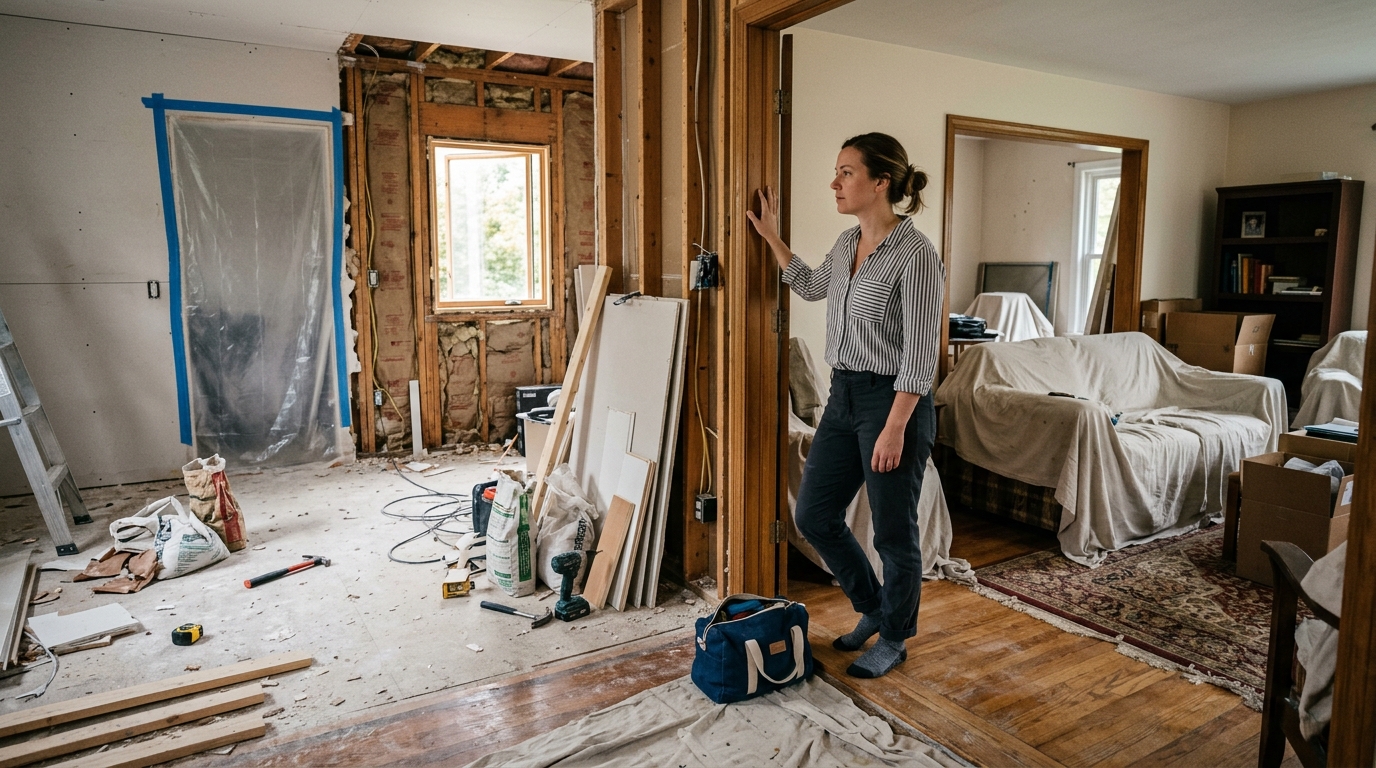
Before deciding to stay, assess the project’s scope, schedule, and effect on essential spaces. Living through a remodel is often manageable when work is limited to one contained area, lasts only a few weeks, and leaves you with reliable access to at least one bathroom, a working kitchen or temporary cooking setup, and a safe path in and out of the home. It becomes more difficult when demolition affects multiple rooms, utilities, heating or cooling, or the structure of the building. Ask your contractor for a realistic schedule that includes inspections, material delays, cleanup, and time for unexpected repairs.
Your household’s daily needs should guide the decision as much as the construction plan. Children, older adults, people with respiratory conditions, and anyone who works from home may be especially affected by noise, dust, odors, restricted access, and changing work hours. Pets can also become stressed or injured by open doors, loud equipment, and construction debris, even when work areas are separated. Temporary housing is usually the safer and more cost-effective choice when you will lose essential bathrooms or cooking facilities, face lengthy utility outages, or cannot maintain effective dust and noise control without disrupting sleep and work.
Health hazards require an even more cautious approach. If the project may disturb asbestos-containing materials or lead-based paint, do not remain in the work area or attempt removal yourself. Improper handling can spread hazardous dust and increase cleanup costs. A qualified professional should evaluate the materials, establish appropriate containment, and follow required safety and disposal procedures. Leaving the home is also strongly worth considering for major structural work, extensive demolition, persistent moisture or mold problems, or a schedule that could stretch for months. Paying for temporary housing may feel like an added expense, but it can reduce lost work time, prevent exposure risks, protect your belongings, and help the project proceed more efficiently.
Creating Livable Zones During Construction
Establishing clear clean and construction zones is the foundation of a livable remodel. Use temporary walls, zipper doors, or heavy-duty plastic sheeting to separate the work area, and seal gaps around doorways, vents, and openings to limit dust migration. Ask your contractor to use a dedicated entry route whenever possible, with protective floor coverings extending from the exterior door to the work zone. Keep tools, debris, and materials inside the construction area, while storing furniture and personal belongings in closed, labeled containers away from vibration and airborne dust. A daily cleanup routine, including debris removal and vacuuming with equipment designed for fine particles, helps maintain healthier air and reduces damage to finished surfaces.
Safe movement through the house requires a clearly marked pathway that remains free of cords, equipment, loose flooring, and stacked materials. Keep children and pets out of the work zone, secure temporary barriers, and make sure hallways, stairways, and exits remain illuminated and accessible. If your main kitchen is unavailable, create a temporary kitchen with a compact refrigerator, microwave, electric kettle, coffee maker, and washable work surface in a low-traffic area. A small utility station can also support laundry with a portable drying rack, hamper, detergent storage, and access to a functioning washer or a planned off-site option. These arrangements preserve basic routines without allowing temporary setups to interfere with construction safety.
Plan backup spaces before demolition begins, especially if the project affects a bathroom, bedroom, or laundry room. Confirm which bathroom will remain usable, establish where household supplies will be stored, and arrange an alternative location if plumbing outages or dust make the primary option impractical. Your contractor should provide a realistic schedule for utility shutoffs, noisy work, and access restrictions so you can adjust meals, work hours, and school routines in advance. Experienced project planning and consistent site supervision make these livable zones easier to maintain, while a written process for reporting problems helps keep small disruptions from becoming larger delays. Reassess the setup as work progresses, since a well-planned temporary arrangement should protect your safety, comfort, and daily rhythm throughout the remodel.
Controlling Remodel Dust Noise And Safety Risks
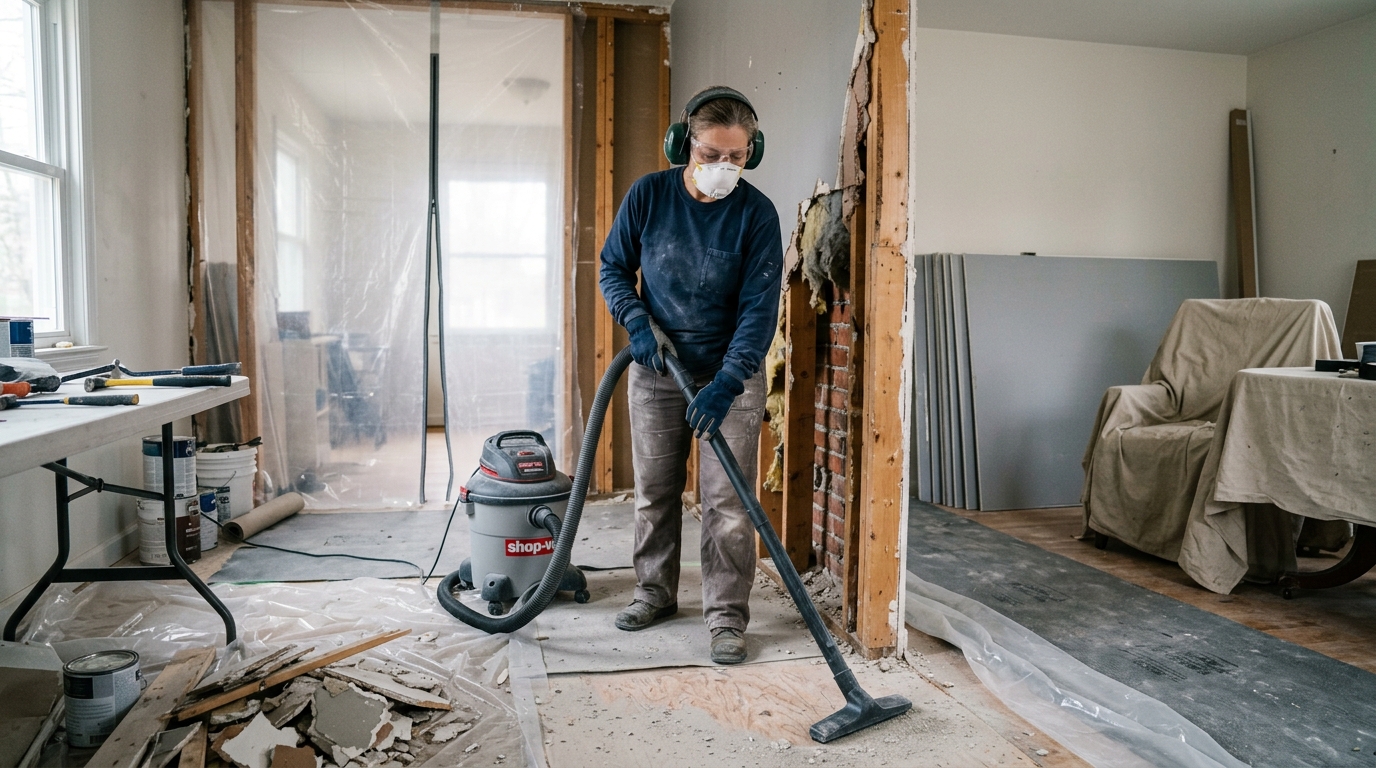
Dust control should be planned before demolition begins, not improvised after particles spread through the house. Ask your contractor to isolate the work zone with floor-to-ceiling barriers, zippered entryways, and sealed HVAC supply and return vents so contaminated air does not circulate through living areas. A negative-air machine can keep the work area under slight negative pressure by drawing air through appropriate filters and exhausting it safely outdoors. Portable air cleaners with HEPA filtration can also reduce airborne dust in adjacent spaces. Require daily cleanup with a HEPA vacuum and damp wiping rather than dry sweeping, and keep debris in covered containers or remove it from the home promptly. These measures help protect your family, furnishings, and finished surfaces while providing a clear standard for contractor accountability.
Noise, odors, and debris can make even a well-contained remodel difficult to live through, so establish work hours and a communication plan before construction starts. Schedule loud demolition during predictable daytime periods, use hearing protection near active work, and ventilate for low-level construction odors only when doing so will not spread dust or fumes into occupied rooms. Children and pets should stay out of the work zone, with doors, gates, and daily inspections used to control access to tools, nails, sharp materials, and unstable surfaces. If essential rooms, ventilation, water, or power will be unavailable for extended periods, arrange temporary accommodations instead of expecting your household to tolerate unsafe or impractical conditions. Experienced remodeling professionals can help phase the work and maintain cleaner, safer pathways, but you should still verify that containment and cleanup procedures are followed each day.
Some materials require specialized controls and should never be handled as a do-it-yourself exposure risk. Suspected lead-based paint, asbestos-containing materials, significant mold growth, contaminated insulation, and unknown chemical residues should be assessed and managed by appropriately licensed or certified professionals under applicable regulations. You and your household should leave the affected area, and sometimes the entire home, while testing, removal, and clearance procedures are underway. Do not rely on ordinary masks, fans, or open windows to make hazardous-material work safe, because these measures may spread contamination or provide inadequate protection. A written scope, documented inspections, and professional clearance when required give you stronger assurance that returning home is safe.
Managing Remodel Schedules Costs And Contractors
A realistic remodel schedule includes more than demolition and installation dates. Build time into the plan for permits, inspections, long-lead materials, change orders, and unexpected conditions such as hidden water damage or outdated wiring. If you are living at home, divide the project into phases that preserve essential spaces and identify when temporary lodging may be safer or more practical. Add schedule contingency instead of assuming every task will proceed without interruption. An experienced remodeling team can coordinate trades and inspections in the right sequence, reduce idle time, and help you understand when the home will be noisy, dusty, or without utilities.
A detailed written scope gives you and your contractor the same reference point for materials, responsibilities, allowances, and exclusions. Review progress at defined milestones, such as completion of framing, rough-ins, and final finishes, before authorizing the next stage of work. Daily communication, even through a brief written update, can identify delays early and document decisions before they become disputes. Tie payments to verified progress instead of paying large amounts in advance, and require written approval for any change order stating the revised cost and schedule. These controls make contractor accountability practical while giving you a clear record of how the budget and timeline are changing.
Set aside a cash reserve for surprises, because even a carefully investigated home can reveal conditions that were not visible before work began. Your agreement should explain how the team will price additional work, handle schedule impacts, protect occupied areas, and correct incomplete or defective work. Consistent dust containment, end-of-day cleanup, and clearly marked work zones can make a major difference when you remain in the home. An experienced remodeling team reduces disruption through coordinated planning, dependable communication, and cleanup routines that keep the project moving without allowing construction to take over every room. When your contractor consistently tracks milestones, costs, and unresolved decisions, you can make informed choices instead of reacting to emergencies.
Completing Your Remodel Successfully
A successful remodel depends on more than a detailed design and attractive finishes. You are more likely to stay comfortable and on schedule when the work is properly contained, with sealed access points, controlled dust, protected surfaces, and clearly defined work zones. Safety should remain the priority, especially when demolition, exposed utilities, power tools, or hazardous materials are involved. If essential rooms or utilities will be unavailable, plan temporary living arrangements before construction begins instead of reacting after disruption has started. This preparation helps you maintain realistic expectations and reduce avoidable stress.
Before work begins, confirm the project scope, schedule, communication process, cleanup standards, and plan for handling unexpected conditions. Experienced professionals can help determine whether your home is suitable for an occupied remodel or whether a temporary move would be safer and more efficient. They can also protect the existing structure and belongings, explain changes clearly, and coordinate the work so each phase is easier to manage. By choosing a team with the skills and accountability to control disruption, you give yourself a more predictable renovation experience and a stronger path to a successful result.
Plan a Safer, Smoother Remodel
Living through a remodel is most manageable when you control the project’s scope and separate construction from your daily routines. Phased work in contained areas, such as updating one bathroom or finishing a basement, may allow you to remain at home with reasonable adjustments. Major demolition, hazardous materials, prolonged utility outages, or the loss of essential spaces can make temporary housing the safer and more practical choice. Before work begins, discuss dust barriers, ventilation, work hours, access routes, cleanup standards, and a realistic schedule with your contractor.
Your comfort and safety depend on planning for disruption rather than assuming the project will follow the original timeline. Set up a temporary kitchen or bathroom when necessary, protect valuables, keep children and pets away from work zones, and maintain clear communication about delays and changes. A written scope of work, regular progress updates, and a cash reserve for unexpected repairs can reduce stress and help you make informed decisions. These steps also give you a clear basis for holding the project accountable to agreed standards.
Ultimately, living through a remodel can be worthwhile when the work is carefully planned, professionally managed, and matched to your household’s needs. You should weigh the cost of temporary lodging, lost access to essential rooms, noise, dust, and schedule uncertainty against the convenience of staying home. If the project remains contained and safety measures are consistently enforced, you can maintain a workable routine while improving your property. If those conditions cannot be met, moving out temporarily may protect your health, budget, and peace of mind.