
The California ADU grant from CalHFA is not currently available. Its latest funding round, which offered up to $40,000, was fully allocated on December 28, 2023, and the agency’s program page has not announced a new round. For Los Angeles homeowners, this means checking for assistance tied to your city or county jurisdiction rather than assuming state funding has reopened.
Local programs have different geographic limits and obligations. Eligible homeowners affected by the Eaton Fire in covered areas of Altadena may qualify for up to $100,000 through the Altadena Infill ADU Grant, in exchange for renting the ADU at program-set affordable rates for at least 10 years. Pasadena offers a construction loan, not a grant, of up to $225,000 at 1% simple interest, with a seven-year commitment to rent to a Housing Choice Voucher tenant. With more than 20 years of experience, All County Development manages ADU projects from design and permitting through construction. Its free consultations can help you plan around available funding.
Key Takeaways
- CalHFA’s statewide ADU grant is closed after its latest round of up to $40,000 was fully allocated on December 28, 2023, so confirm directly with official administrators before relying on any offer or sharing financial information.
- Your local options depend on your property’s jurisdiction: eligible Eaton Fire-affected homeowners in covered areas of Altadena may qualify for up to $100,000 in exchange for at least 10 years of affordable rent, while Pasadena offers a loan of up to $225,000 at 1% simple interest with a seven-year Housing Choice Voucher tenant commitment.
- Your ADU budget should cover design, permitting, site work, construction, and upfront costs because the former CalHFA grant reimbursed eligible predevelopment and closing costs, not general construction expenses.
- All County Development has more than 20 years of experience managing ADUs from design and permitting through construction, and a free consultation can help you align your project scope with confirmed funding terms.
Is California’s CalHFA ADU Grant Available?
CalHFA’s statewide ADU grant is not currently available, and its program page has not announced a new funding round. The latest round was fully allocated on December 28, 2023, and the agency warns about scams that offer help obtaining the grant. Funding was limited: a state bulletin described a one-time $25 million appropriation for the 2023–24 budget, with reservations beginning December 11, 2023, as detailed in the CalHFA funding bulletin.
A closed statewide program does not mean every local ADU funding option is closed. A city, county program, or other administrator may offer assistance, and eligibility, funding status, and required commitments can vary by location. For homeowners in the Los Angeles area, the relevant options depend on whether the property is within a city or an unincorporated area. Check the jurisdiction and program terms that apply to your property.
Before sharing personal or financial information, confirm with the official administrator that the program is active and that you meet its requirements. Do not pay anyone who promises to secure a grant on your behalf. Verify application steps and any fees directly with the administrator. A program name, online advertisement, or unsolicited offer does not prove that funding is available.
What Did CalHFA’s $40,000 Grant Cover?
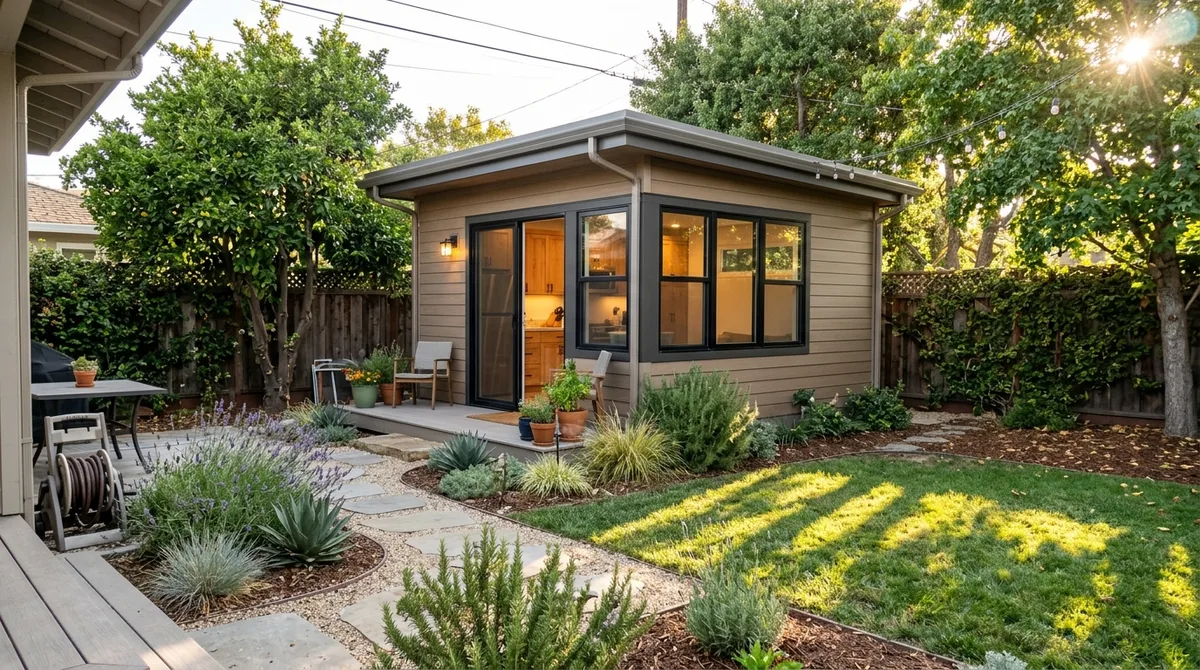
CalHFA’s former ADU grant offered reimbursement of up to $40,000 for eligible predevelopment and non-recurring closing costs, not general construction expenses. Examples included site preparation, architectural designs, permits, soil tests, impact fees, property surveys, and energy reports.
Because the grant offered reimbursement, you may have needed to pay eligible expenses before receiving money back. Build a funding plan for those expenses rather than assuming grant funds will be available when bills come due. An expense on the program’s example list was not automatically eligible for reimbursement. Eligibility depended on the program’s rules and review.
The grant was intended to help with predevelopment and closing costs, so don’t treat the maximum as a contribution toward your full ADU budget. Construction involves additional costs that may fall outside those categories, and the former grant should not be assumed to cover them. Separate your estimate into design, permitting, site-related work, closing costs, and construction so you can compare expenses with a program’s written terms.
If you are considering another ADU funding program, get its current eligible-cost rules in writing before committing funds. Confirm which expenses qualify, what documentation is required, and when reimbursement or other funds become available. Clear terms can help you avoid relying on assistance for costs the program does not cover.
Who Qualified for CalHFA’s Grant?
Under CalHFA’s former ADU grant, applicants had to meet the agency’s low- or moderate-income limits and own and live in the property where they planned to build the ADU, as stated in the CalHFA program flyer.
The flyer does not provide an income threshold here, so don’t assume a particular limit. These were historical requirements, not a guarantee of eligibility for a future CalHFA round or any local program. Each funding administrator sets its own criteria.
Before starting an application, confirm directly with the active program administrator whether applications are being accepted and what criteria and terms apply. Application instructions can change, so older information may not reflect the current program status.
You can prepare a working file with useful project details, but treat it as preparation, not an official application checklist:
- Ownership and occupancy information for the property.
- Household income details that may be relevant to the program.
- A description of the proposed ADU and its project scope.
- An estimate of anticipated costs that may qualify under the program.
The funding administrator determines the application process and required documents. Ask which forms and supporting records you need before submitting personal or financial information. Don’t assume the former CalHFA process is open or that its historical criteria apply to another administrator’s program.
What Local ADU Funding Can You Access?
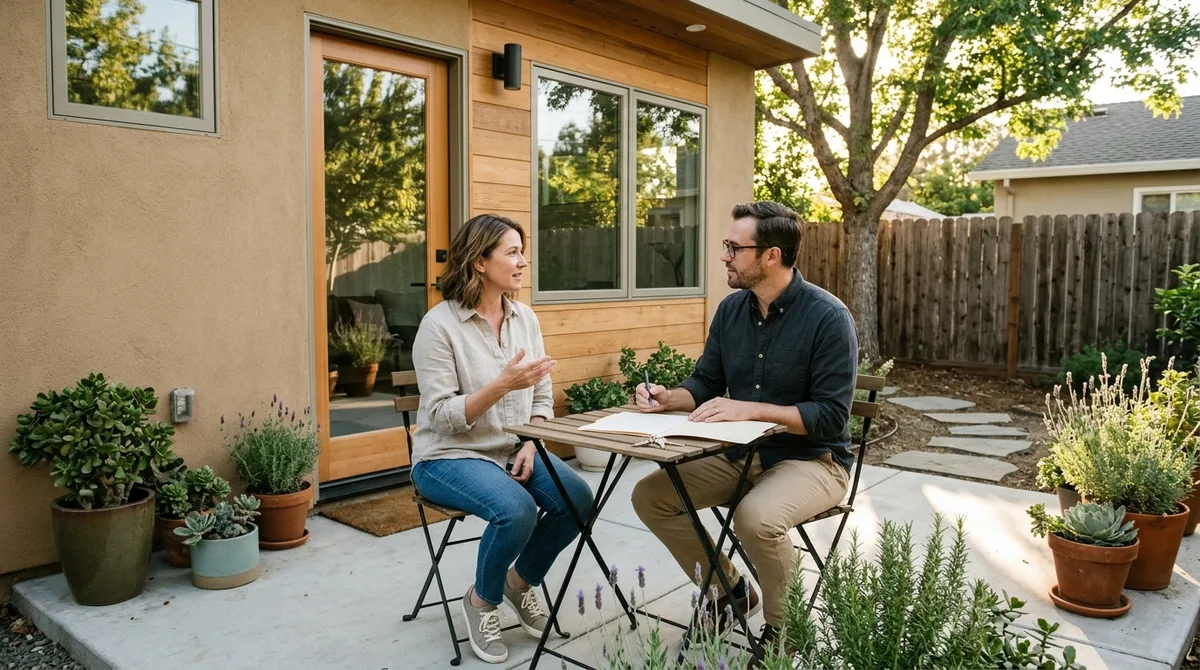
Los Angeles-area homeowners may find local ADU assistance in Altadena, Pasadena, or West Hollywood, but each program has its own geographic limits and trade-offs. The Altadena Infill ADU Grant offers eligible households up to $100,000 in exchange for renting the ADU for at least 10 years to a qualifying renter at a rent amount set by Los Angeles County.
Altadena eligibility is limited to applicants who owned and lived in their home before the Eaton Fire, have a home in a covered area of unincorporated Altadena, and meet the program’s household income limit. If your home is in another part of Altadena or a nearby incorporated city, don’t assume the grant applies to your property.
Pasadena’s Second Unit ADU Program is a construction loan, not a grant. It offers up to $225,000 at 1% simple interest, with a seven-year commitment to rent the ADU to a Housing Choice Voucher tenant. Consider the loan’s repayment terms and tenant requirement alongside the amount offered. The maximum alone does not show whether it suits your project.
West Hollywood’s Affordable ADU Pilot Program is closed to new applicants. Its published program terms describe a maximum $150,000 new-construction loan and a seven-year commitment to rent to a Section 8 tenant. These terms can help you understand the program, but they do not mean new applications are being accepted.
Before planning around local funding, check whether your property is within a city or an unincorporated area, then confirm the program’s current availability with its administrator. Compare repayment, eligible tenants, rent limits, and the length of any rental commitment, not just the advertised maximum. A grant and a loan are not interchangeable: the funding type affects repayment, while affordability conditions can shape how you use the ADU.
What Costs and Commitments Should You Budget For?
Budget for the full ADU scope, not just the advertised assistance. Include design, permitting, site work, construction, and expenses a program excludes. An ADU’s price cannot be determined by size alone. Site conditions, layout, utility needs, and finish choices all affect the project budget.
Separate design and permitting expenses from construction costs in your estimate. Then compare each category with the funding program’s written eligible-cost rules, since a grant or loan may cover only specified expenses. Los Angeles County Planning offers a free catalog of standard ADU plans, while plans in its private designer catalog must be purchased from their designers, as explained on the Los Angeles County ADU planning page.
If assistance reimburses eligible expenses, plan for possible upfront cash needs. You may have to pay a bill before receiving reimbursement. Confirm the payment process and timing with the program administrator, and leave room in your budget for costs that are ineligible or exceed the available assistance.
Evaluate a loan separately from a grant. A loan requires repayment, and a program may also require a rental commitment that affects how you use the ADU. Ask a qualified lender about other financing options that could fit your project and financial circumstances. Approval and terms depend on the lender’s review.
Include tax questions in your planning, especially if you expect to rent the ADU or receive grant assistance. Ask a tax professional how the specific grant and rental arrangement may affect your tax situation before making financial decisions.
How Do Permits Shape Your ADU Timeline?
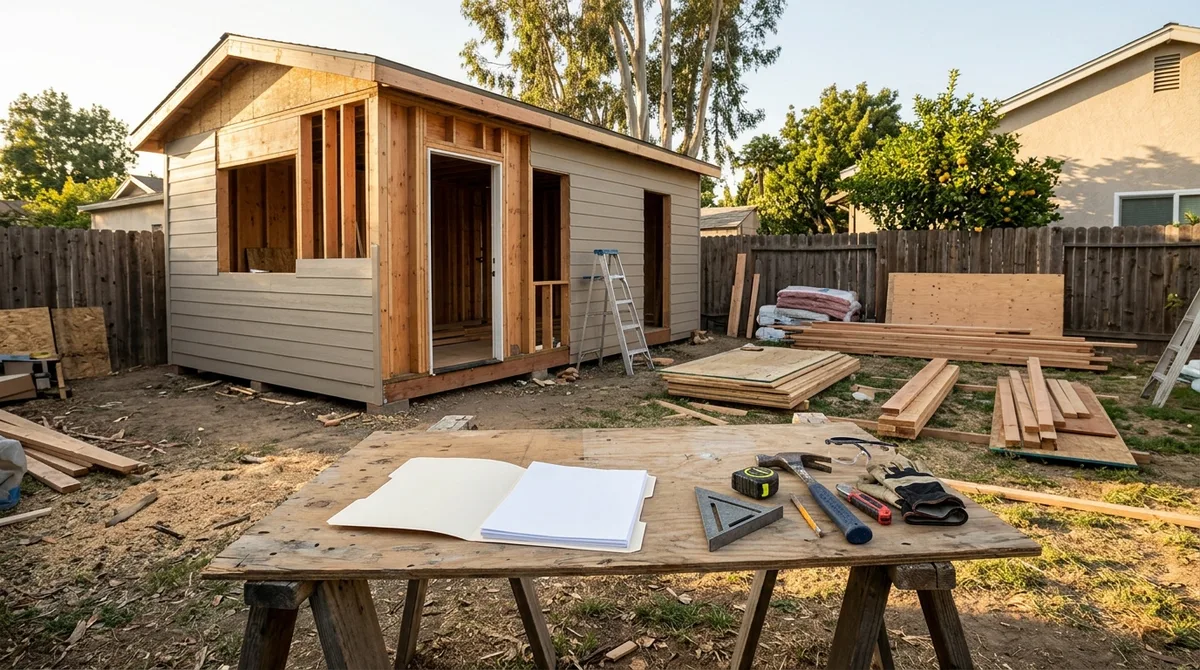
Permitting requirements can affect your ADU timeline. The schedule depends on your project and its permitting path. Funding research, design, permitting, and construction work best as connected stages rather than separate decisions.
A practical sequence can help you align the ADU’s scope and budget with program terms before finalizing construction plans:
- Check eligibility with the administrator of any local funding program that may apply to your property.
- Define the project scope, such as a garage conversion, detached ADU, or addition, and clarify how you intend to use the space.
- Develop plans that reflect the intended use, site conditions, and realistic project budget.
- Confirm permit requirements with the relevant city or county department, and account for any plan changes in your budget.
- Coordinate construction around the completed plans, permitting path, and confirmed funding conditions.
If assistance requires affordable rents or a tenant commitment, understand those conditions before finalizing the design and budget. The intended rental arrangement can affect how you configure the ADU, while design changes or permit requirements can affect the construction scope. Avoid setting a fixed start or completion expectation until you understand the project’s requirements and sequence.
All County Development is a Los Angeles-area custom home builder and remodeling contractor with more than 20 years of experience. The company manages projects from design and permitting through construction, including ADUs and garage conversions, additions, custom homes, and renovations. This coordinated approach can help keep project decisions connected as your plans move toward construction.
How Can You Avoid ADU Grant Scams?
To avoid ADU grant scams, treat any claim that someone can secure CalHFA grant funds as suspect while the statewide program remains closed. Confirm the program’s status and your eligibility directly with the government agency or named program administrator, using contact details published by that agency or administrator.
Before sharing financial or property records, ask whether applications are open, who accepts them, and whether payment is required. A promise of guaranteed approval is not a substitute for written program terms.
Read the funding agreement before signing. Confirm whether assistance is a grant or a loan, whether repayment applies, and what rental, tenant, and affordability commitments govern the ADU. Ask how a change in plans or use could affect the assistance.
All County Development offers free consultations or estimates for homeowners planning ADUs, garage conversions, additions, or renovations. The company reports 90+ successful projects, 90+ satisfied clients, 90+ dedicated experts, and $1.4 million saved by clients. Aligning funding conditions with a defined scope, budget, design, permitting path, and construction plan can help you assess whether the project is buildable before you commit.
Plan Your Los Angeles ADU
Start with the property address and confirm whether it falls within a city or an unincorporated area. If you are considering Altadena assistance, verify that the home is in a covered area and ask the program administrator to confirm current eligibility and application status. If the property is in Pasadena, ask the City for the current written terms and application steps.
Then prepare a short project brief. Note whether you plan a garage conversion, detached ADU, or addition; describe the intended rental arrangement; and list any program conditions you have received in writing. Bring those details to a free consultation or estimate so the project scope, design, permitting, and construction planning can be considered alongside confirmed funding terms.
All County Development serves homeowners in Tarzana, Sherman Oaks, Encino, Woodland Hills, Calabasas, West Hollywood, Beverly Hills, Santa Monica, and Northridge. The team manages projects from design and permitting through construction. Call (818) 815-7390 or visit the office at 6117 Reseda Blvd, Tarzana, CA 91335, to discuss your ADU plans.
Frequently Asked Questions
1. Can you combine an ADU grant with a separate construction loan?
You can combine an ADU grant with a construction loan only if both program administrators allow it and their terms are compatible. Before relying on both, get written confirmation about eligible costs, how the funds are coordinated, and whether either program restricts other financing.
2. Can a garage conversion qualify for an Altadena Infill ADU Grant?
A garage conversion’s eligibility for the Altadena Infill ADU Grant depends on whether the project meets the program’s requirements. The grant is limited by the property’s location, the homeowner’s circumstances, and rental conditions. Ask San Gabriel Valley Habitat for Humanity to confirm your specific project before committing to plans or costs.
3. Can you rent an ADU to a family member under an affordable-rent commitment?
A family member would need to meet the program’s definition of a qualifying renter, and the ADU would need to meet the applicable rent limit. Ask the program administrator whether related tenants are allowed, and get the answer in writing before counting on a family member as the renter.
4. What should you ask a lender before using an ADU construction loan?
Before using an ADU construction loan, ask the lender how and when funds are disbursed, what repayment terms and fees apply, and what happens if project costs or timing change. For Pasadena’s program, also confirm the current loan terms and how the seven-year Housing Choice Voucher rental commitment affects your plans.
5. Can you change your ADU design after applying for local funding?
A design change after applying for local ADU funding may affect your project’s approved scope, costs, or eligibility. Before making changes, ask the funding administrator whether approval is required and get any revised conditions in writing. Also confirm whether the change affects your permit plans.