
The dream of multi-generational living or rental income often hits a snag when homeowners realize just how close their neighbors or tenants will actually be. Achieving true detached adu privacy is the deciding factor that transforms a simple backyard structure into a premium, independent sanctuary. By eliminating shared walls and common entry points, these standalone units offer a level of seclusion that attached conversions simply cannot match.
Physical separation does more than just block noise; it creates a psychological boundary that preserves the sanctuary of the main home. Strategic design allows for distinct outdoor zones and acoustic isolation, ensuring that both households can coexist without ever feeling like they are living in each other’s pockets. Prioritizing these privacy elements not only improves daily quality of life but also significantly boosts the long-term market value of the property.
For a compact option, learn how to create the perfect backyard studio apartment that blends privacy with modern design
Key Takeaways
Detached ADUs provide superior acoustic and psychological independence by eliminating shared walls, transforming a backyard structure into a premium, standalone residence.
Strategic architectural design, such as orienting entrances away from the main house and utilizing high-set clerestory windows, prevents direct lines of sight while maintaining natural light.
Intentional hardscaping and landscaping, including dedicated pathways and tall greenery like Italian Cypress, create distinct outdoor zones that ensure visual privacy for both households.
Prioritizing privacy during the initial design phase maximizes long-term property value and rental income by offering a high-end living experience that mimics a traditional single-family home.
Physical Separation And Acoustic Independence Advantages
The primary advantage of a detached ADU lies in the complete absence of shared walls, which fundamentally changes the living experience for both the homeowner and the tenant. By eliminating the common barriers found in attached conversions, acoustic isolation becomes a standard feature rather than a luxury. Residents no longer have to worry about muffled conversations, footsteps, or television noise drifting through the drywall from the neighboring unit. This physical gap serves as a natural buffer that preserves the quiet enjoyment of each home. Such a high level of sound isolation fosters a more harmonious relationship between everyone on the property.
Beyond the practical benefits of noise reduction, the physical distance creates a powerful psychological boundary and sense of true home ownership. When a unit stands alone, it ceases to feel like a suite or an extension and begins to feel like a legitimate, independent residence. Strategic design elements, such as orienting the ADU entrance away from the main house or using thoughtful landscaping, further reinforce this feeling of seclusion. Homeowners can enjoy their backyards without feeling observed, while occupants gain a sanctuary that feels entirely their own. This intentional separation addresses the most common concerns regarding property sharing and long term comfort.
Thoughtful site planning allows for the creation of distinct outdoor zones that maximize the utility of the entire lot. By positioning the ADU to utilize its own private garden path or patio, builders can ensure that window placements do not overlook the primary dwelling’s private spaces. This design oriented approach transforms a shared backyard into two unique environments that offer full visual privacy. Investing in a detached structure ultimately protects the property value by providing a premium living experience that mimics a traditional single family home. These architectural choices prove that high density living does not have to come at the expense of personal space or peace of mind.
Strategic Building Orientation And Window Placement
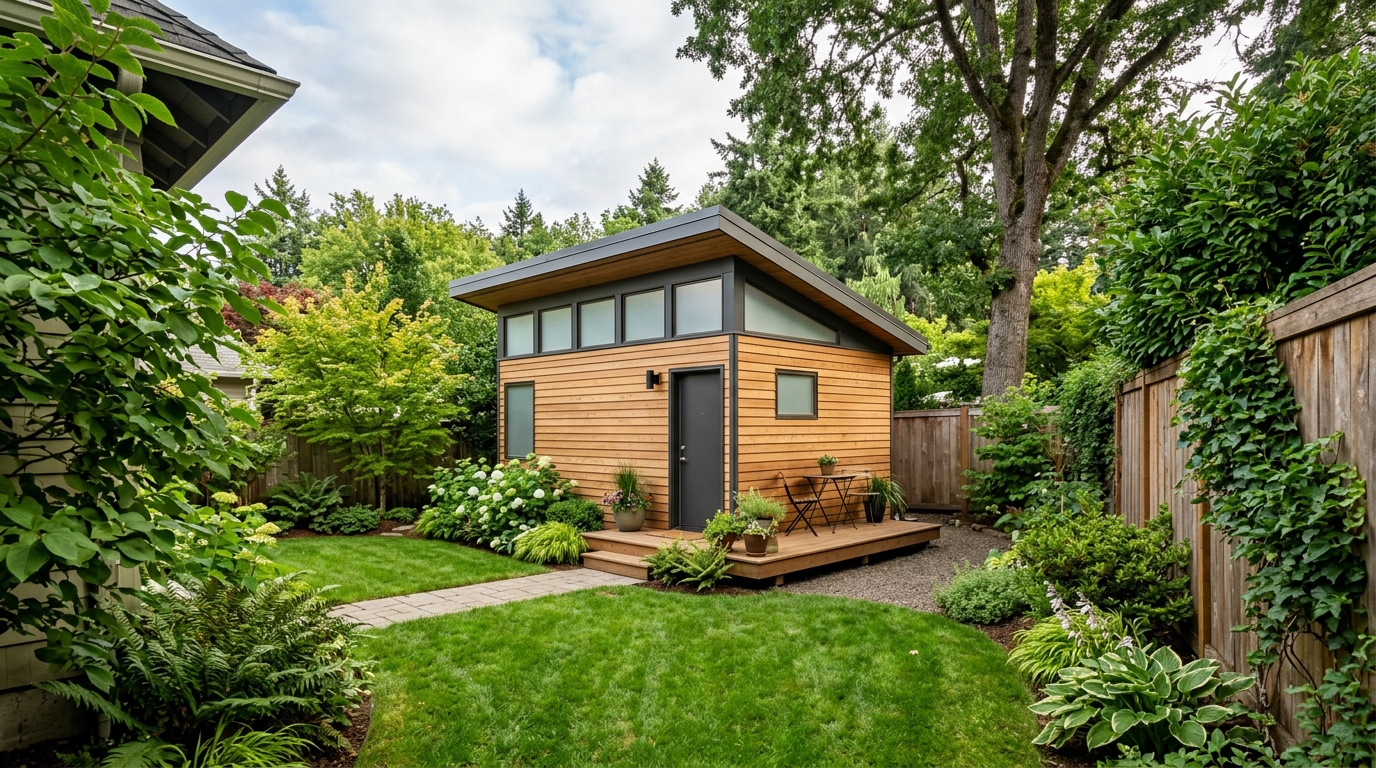
Strategic building orientation serves as the first line of defense in maintaining a sense of seclusion for both the primary homeowner and the ADU tenant. By carefully angling the secondary unit away from the main house, designers can ensure that primary living areas do not face one another directly. This deliberate positioning creates distinct zones of privacy that allow both parties to enjoy their indoor and outdoor spaces without feeling watched. This thoughtful layout addresses the common psychological barrier of sharing a lot, transforming a shared backyard into two independent residential environments.
Window placement is equally vital in preventing direct lines of sight while still inviting natural light into the living space. Utilizing clerestory windows, which are positioned high on the walls, allows sunlight to flood the ADU without exposing the interior to neighbors or the main residence. For windows at eye level, frosted glass or specialized glazing provides a sophisticated solution that maintains brightness while obscuring views. These design choices ensure that neither occupant feels the need to keep their blinds drawn constantly to maintain their personal boundaries.
Beyond the structure itself, the integration of physical barriers and architectural blind spots enhances the feeling of total independence. Strategic design placement of solid walls on the side of the ADU facing the main house can act as a permanent privacy shield, directing the unit’s focus toward its own dedicated garden or patio. When combined with smart window configurations, these structural decisions eliminate the awkwardness of accidental eye contact between households. This design-oriented approach not only improves the quality of life for all residents but also increases the long term value and appeal of the property.
Creating Distinct Outdoor Zones With Hardscaping
Strategic hardscaping is the foundation of a successful detached ADU project because it physically defines the boundaries of shared living. By incorporating decorative fencing and privacy screens, homeowners can create a visual barrier that shields the main house from the ADU without making the yard feel cramped. These structures serve as more than just dividers, as they also act as architectural accents that enhance the overall aesthetic of the property. When thoughtfully placed, a screen or fence ensures that both parties can enjoy their outdoor spaces without feeling like they are being watched by their neighbors. This level of intentional separation is essential for maintaining a sense of true independence for both the primary resident and the tenant.
Dedicated pathways are equally important for establishing a sense of autonomy and directing the flow of traffic away from private windows. A well defined stone or paver walkway creates a clear route from the street or driveway directly to the ADU entrance, ensuring that guests do not wander through the main residence’s private zones. Lighting these paths with low profile fixtures adds a layer of security and further reinforces the idea of a separate, professional dwelling. By guiding movement through the landscape, you eliminate the awkwardness of shared entryways and foster a more respectful living environment. This approach transforms a shared lot into a sophisticated multi unit property where every square foot has a designated purpose.
The addition of a pergola or a covered patio can further anchor these independent zones by providing a ceiling for outdoor living rooms. These structures offer a sense of enclosure and intimacy, making a small backyard feel like two distinct and private retreats. When combined with strategic orientation, a pergola can block sightlines from upper story windows, ensuring that relaxation areas remain truly secluded. Utilizing hardscaping in this manner addresses the psychological need for personal space while simultaneously increasing the property value. Ultimately, these design choices prove that high density living does not have to come at the expense of personal privacy or comfort.
Privacy Screening Using Natural Greenery And Foliage
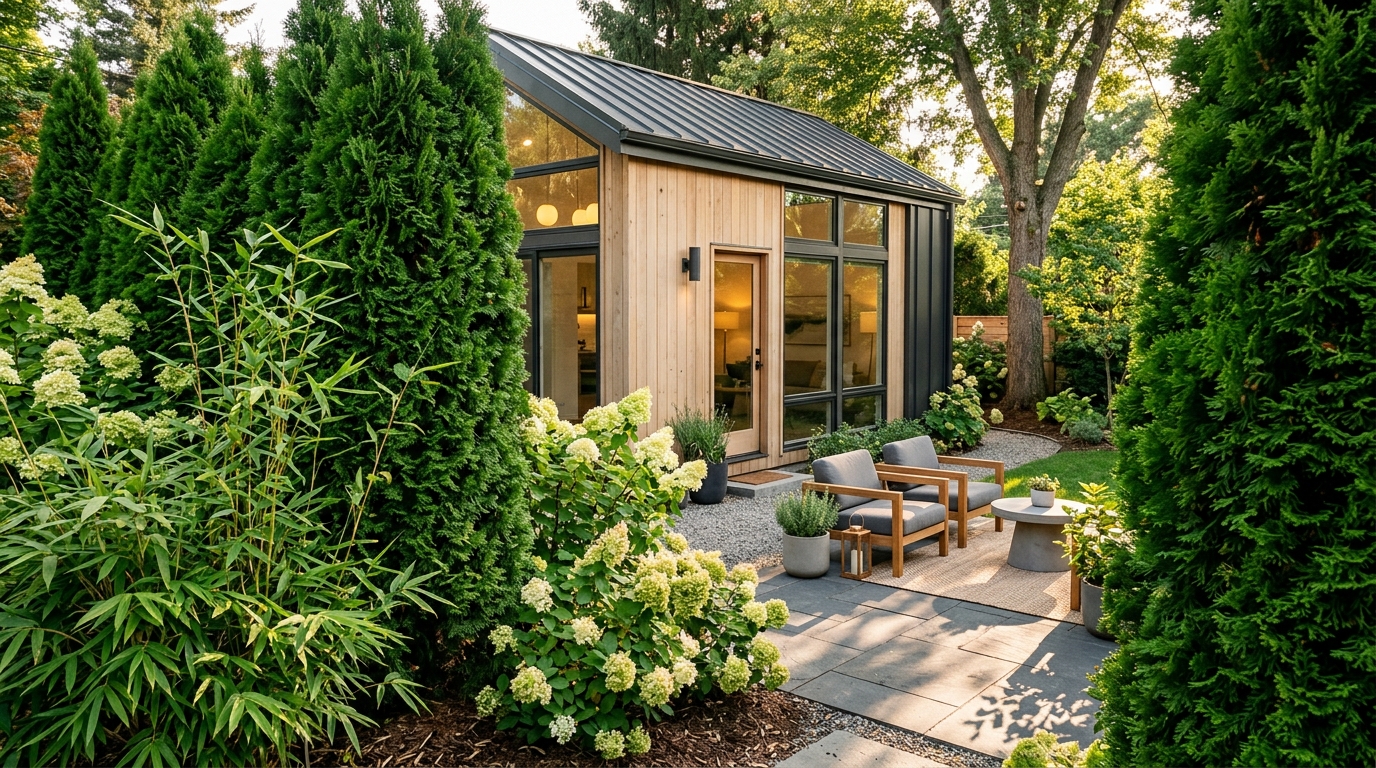
Strategic landscaping serves as a sophisticated solution for homeowners looking to define clear boundaries without the harsh aesthetic of a tall wooden fence. By integrating tall hedges such as Italian Cypress or Arborvitae, you can create a dense, living wall that provides an immediate visual buffer between the primary residence and the ADU. These species grow vertically and maintain a narrow footprint, ensuring that the backyard remains open and airy rather than feeling boxed in. This natural approach softens the transition between living spaces while offering a high degree of seclusion for both the homeowner and the tenant.
Beyond visual separation, dense foliage acts as an effective acoustic dampener to minimize the transmission of daily sounds. Broad-leafed evergreens and layered shrubs can absorb ambient noise, creating a tranquil environment that reinforces the feeling of independence for both dwellings. Incorporating varied heights and textures, such as clumping bamboo or privacy laurels, adds depth to the landscape and prevents the yard from looking sterile or overly partitioned. This thoughtful design choice transforms a functional necessity into a lush amenity that enhances the overall property value.
Selecting the right plant palette is essential for maintaining long-term privacy without requiring excessive maintenance or water usage. Native species and drought-tolerant greenery can provide year-round coverage, ensuring that windows and outdoor patios remain shielded during every season. When these living screens are positioned intentionally near entryways or shared walkways, they establish a psychological sense of ownership over specific zones. This design-oriented strategy addresses the common concern of shared space by providing a beautiful, organic barrier that respects the privacy of everyone on the lot.
Designing for Long-Term Residential Harmony
Prioritizing privacy during the initial design phase of a detached ADU is the most effective way to ensure long term harmony between all residents on the property. By thoughtfully considering the orientation of windows and the placement of entrances, homeowners can eliminate the psychological barrier of feeling crowded or overlooked. A well designed layout creates a sense of true independence, allowing both the primary residents and the ADU occupants to enjoy their space without constant interaction. This intentional separation fosters a comfortable living environment where everyone feels respected and secure.
Strategic landscaping and physical barriers serve as the final touches that transform a shared lot into two distinct, high value living zones. Utilizing tall hedges, decorative fencing, or tiered planters provides immediate visual separation while enhancing the overall aesthetic of the backyard. These features do more than just block views, as they also act as acoustic buffers that reinforce the quiet atmosphere of a detached unit. Investing in these privacy solutions during construction prevents future friction and significantly boosts the property’s market value and appeal.
Ultimately, a privacy focused approach to ADU development protects the financial performance and livability of your home for years to come. When a detached adu privacy offers genuine acoustic and visual independence, it becomes a much more attractive option for multi-generational living or high quality tenants. Knowing how to create the perfect backyard studio apartment requires this thoughtful planning that reflects a professional design standard that prioritizes the comfort of every individual on the lot. By addressing these concerns early, you create a seamless integration of housing units that enhances your lifestyle and maximizes your real estate investment. Understanding the benefits of a 1 bedroom ADU can help you decide if this specific configuration is the right fit for your property goals. Considering the benefits of ADU construction early in the process ensures that your project meets both your functional needs and your long-term financial objectives.
Frequently Asked Questions
1. How does a detached ADU provide better privacy than an attached conversion?
A detached ADU eliminates shared walls and common entry points, which are the primary sources of noise transfer and privacy breaches. This physical gap creates a natural buffer that ensures your daily activities remain completely separate from those of your tenants or family members.
2. What are the acoustic benefits of building a standalone structure?
By removing common barriers, you achieve total acoustic independence where footsteps, conversations, and television noise do not drift between units. This high level of sound isolation preserves the quiet enjoyment of both homes and fosters a more harmonious relationship on the property.
3. Does physical distance impact the psychological feeling of a home?
Yes, the physical distance creates a powerful psychological boundary that makes the ADU feel like a legitimate, independent residence rather than a suite or an extension. This sense of true home ownership is vital for making occupants feel they have their own private sanctuary.
4. How does prioritizing privacy affect the market value of my property?
Investing in privacy elements significantly boosts long-term market value by making the ADU more attractive to high quality tenants and future buyers. A premium, independent sanctuary commands higher rental rates and offers a more professional living arrangement than a standard backyard structure.
5. Can I achieve privacy if my backyard space is limited?
Even on smaller lots, you can achieve privacy through strategic design and the intentional placement of windows and doors. By focusing on distinct outdoor zones and physical separation, you can ensure that both households coexist without feeling like they are living in each other’s pockets.
6. Why is the absence of shared walls considered a standard for luxury ADUs?
The absence of shared walls transforms a simple structure into a premium living space by providing absolute privacy and quiet. It allows for a level of seclusion and independence that attached units simply cannot match, making the dwelling feel like a high end, standalone home.