
thought text diets illumination
For decades, California’s single-family zoning laws kept property potential locked behind rigid regulations, but the California HOME Act has fundamentally changed the environment. Through sb9 lot splitting, homeowners now have the power to subdivide their residential lots into two separate parcels. This landmark legislation serves as a tool for those looking to unlock equity, create multi-generational housing, or contribute to the state’s housing supply.
Meeting the eligibility requirements is the first step toward transforming suburban lots into versatile investment opportunities. To qualify, a property must be located within a census-defined urban area and meet specific size minimums, such as the 1,200-square-foot requirement for newly created parcels. By understanding these technical criteria, you can determine if land is ready to transition from a single-family residence into a high-value, multi-unit development.
Key Takeaways
- California’s SB 9 allows homeowners to subdivide a single-family lot into two separate parcels, provided each new lot is at least 1,200 square feet and maintains a split ratio between 60/40 and 50/50.
- Properties must be located within a census-defined urban zone and are ineligible if they have been used as rental housing in the last three years or are located in designated historic districts.
- Homeowners must sign an affidavit committing to occupy one of the units as their primary residence for at least three years to prevent speculative corporate turnover.
- The legislation mandates a ministerial approval process, requiring local jurisdictions to approve qualifying applications based on objective standards rather than subjective public hearings.
Navigating SB 9 Urban Lot Split Eligibility Requirements
Understanding the eligibility requirements for an SB 9 urban lot split requires a precise grasp of the spatial limitations set by the state. To qualify for this subdivision, each newly created parcel must measure at least 1,200 square feet in total area. This minimum threshold ensures that both resulting lots remain functional for residential development while adhering to local density standards. Owners must also account for the 60/40 split ratio limitation, which dictates that one lot cannot be significantly larger than the other. By maintaining this balance, the legislation prevents the creation of irregular or unusable slivers of land that would undermine the goal of increasing high quality housing.
Beyond the physical dimensions of the land, property owners must verify that their site is located within a single family residential zone. The property must also fall within a U.S. Census defined urbanized area or urban cluster to be eligible for these specific subdivision benefits. Because SB 9 is designed to maximize the investment potential of existing land, identifying these geographical constraints is the first step in any feasibility study. Proactive owners should consult official zoning maps to confirm their lot meets these foundational criteria before proceeding with architectural or engineering plans.
Successful lot splits also require adherence to specific anti displacement protections and historical preservation rules. Properties that have been used as rental housing within the last three years or those located in designated historic districts are generally excluded from SB 9 provisions. Owners must also certify that they intend to occupy one of the units as their primary residence for at least three years following the split. These guardrails ensure that the law promotes stable housing growth and long term investment rather than short term speculative turnover. Mastering these details allows property owners to unlock significant value while remaining fully compliant with state mandates.
Mandatory Owner Occupancy And Anti-Displacement Prohibitions
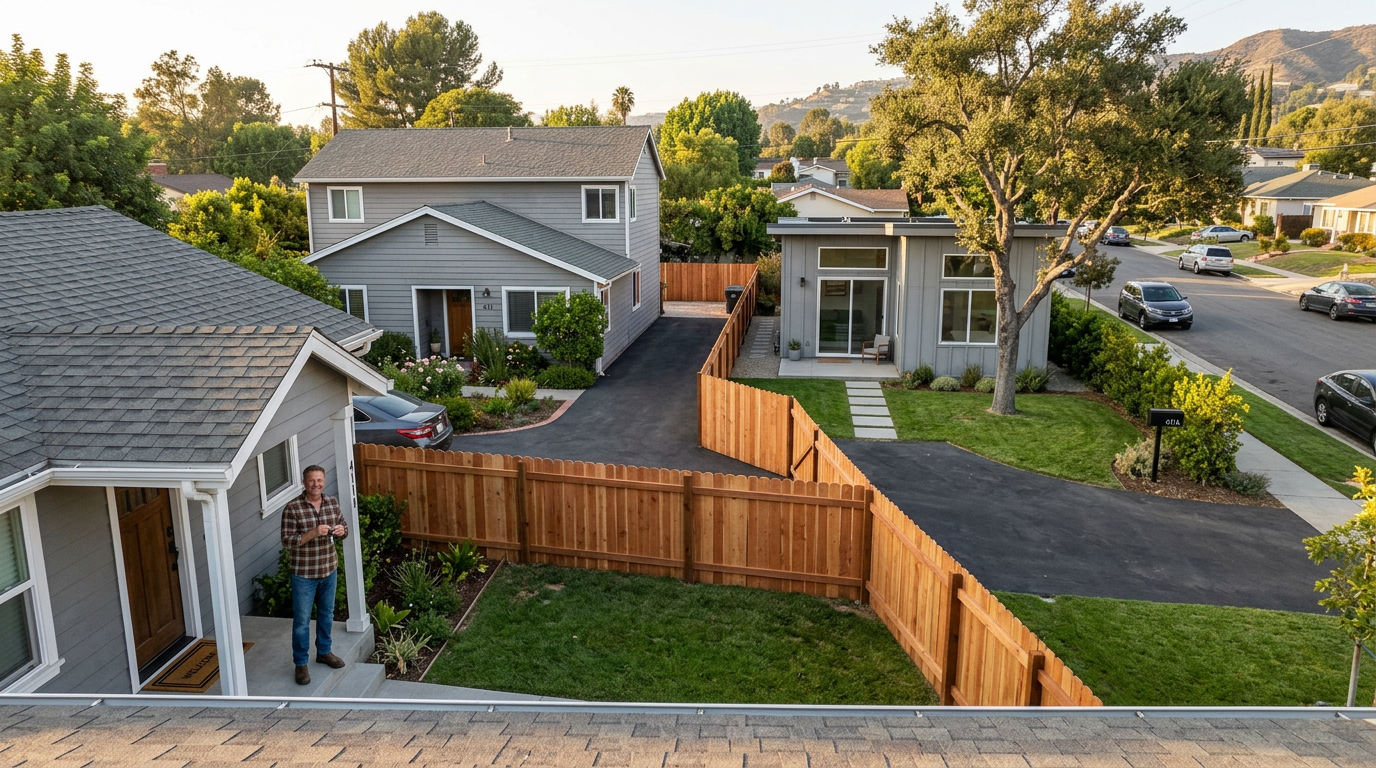
To maintain the integrity of single-family neighborhoods and prevent corporate interests from dominating the market, SB 9 includes a strict mandatory owner-occupancy requirement. Homeowners pursuing an urban lot split must sign an affidavit promising to occupy one of the housing units as their primary residence for at least three years from the date of the split approval. This provision is designed to ensure that the benefits of lot splitting accrue to individual homeowners and long-term residents rather than institutional investors or speculative developers. By requiring a three-year commitment, the state aims to foster community stability while providing a pathway for families to build generational wealth through property subdivision.
While SB 9 offers opportunities for densification, it also establishes firm anti-displacement prohibitions to protect existing tenants and vulnerable housing stock. The law strictly prohibits the demolition or alteration of rental housing that has been occupied by a tenant in the last three years or is subject to rent control. Furthermore, any property that has been designated as a historic landmark or is located within a protected historic district is exempt from the lot splitting provisions. These safeguards ensure that the push for new housing units does not come at the expense of current renters or the preservation of California’s architectural history.
Property owners must carefully evaluate these legal constraints before initiating a project to ensure their land qualifies for the HOME Act. Because the legislation prioritizes the creation of new housing without depleting the existing rental supply, any evidence of recent tenant displacement will immediately disqualify a lot split application. Understanding these boundaries is essential for maximizing investment potential while remaining in full compliance with state mandates. By balancing development rights with social protections, the law seeks to increase density in a way that is both ethical and sustainable for the local community.
Strategic Financial Advantages Of Creating Two Separate Parcels
The strategic implementation of an SB 9 urban lot split serves as a tool for unlocking the equity within a single family property. By legally dividing one parcel into two, homeowners create a new asset that carries its own distinct legal description and market value. This process goes beyond simple densification, as it allows the owner to capitalize on the land value that was previously tied up in a single, underutilized backyard. Whether the goal is to sell the newly created lot to a developer or hold it for long term appreciation, the act of splitting the parcel provides a concrete increase in total property valuation.
Creating two separate parcels offers financial flexibility for investors and property owners. Having a second title allows for independent financing, meaning you can secure a construction loan or a separate mortgage for a new primary residence on the second lot without encumbering the original home. This separation of assets also simplifies the eventual exit strategy, as you can choose to sell one parcel while living in the other or divest from both properties to different buyers at different times. This control over a real estate portfolio minimizes risk and maximizes the potential for liquidating gains when market conditions are favorable.
Beyond the immediate equity gains, an urban lot split provides an opportunity to hedge against California’s evolving housing market. By transforming a traditional single family lot into two independent pieces of real estate, you are doubling the options for future revenue streams. You can choose to develop a duplex on the new lot to generate rental income or build a second primary residence for multi-generational living. This versatility ensures that land remains a productive financial instrument that can adapt to changing personal needs or economic climates.
Mitigating Local Zoning Obstacles And Environmental Exclusions
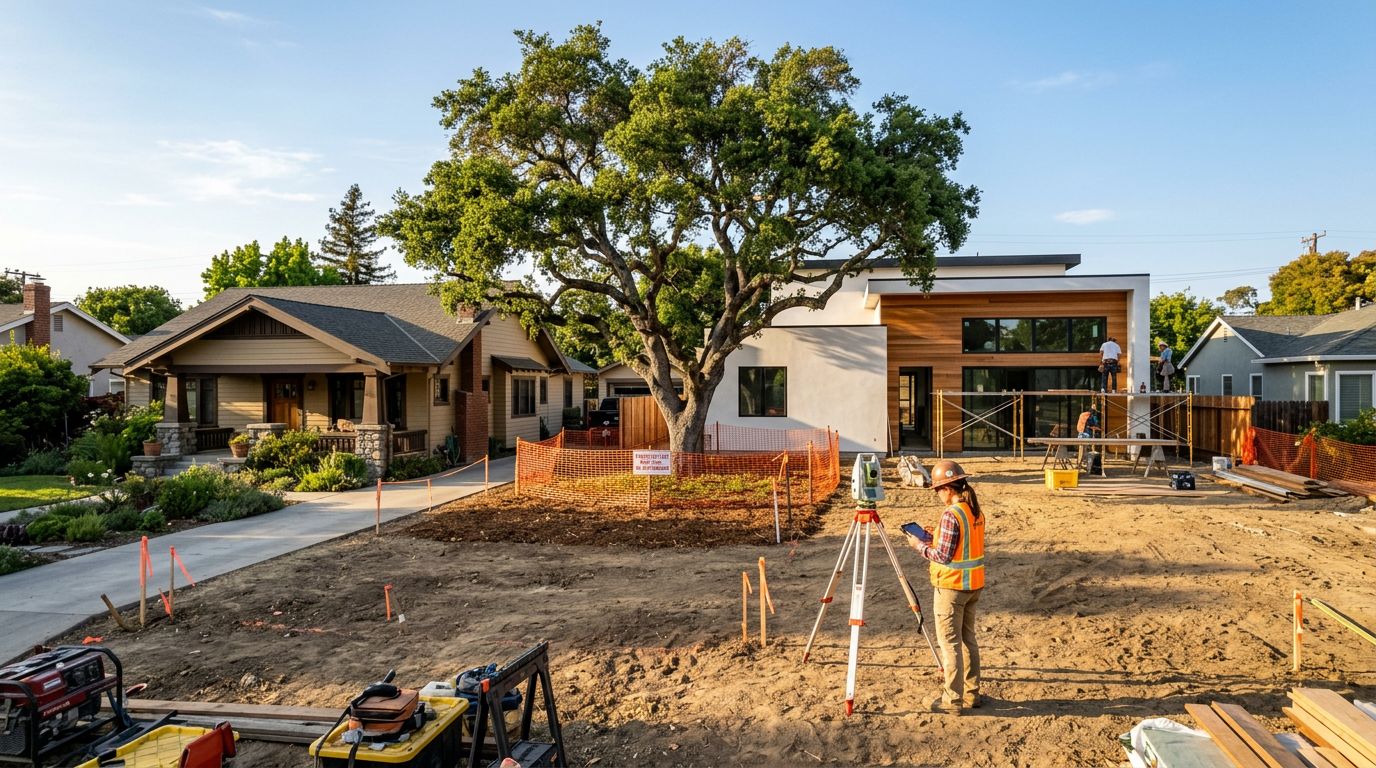
The ministerial approval process is the cornerstone of SB 9, providing a streamlined pathway that bypasses the subjective hurdles of traditional local discretionary reviews. Under this state mandate, local jurisdictions must approve qualifying lot split applications based on objective standards rather than public hearings or personal objections from neighbors. This shift reduces the timeline and uncertainty for property owners looking to maximize their land’s investment potential. By removing the threat of arbitrary denials, the law empowers homeowners to treat their residential property as a strategic asset. However, this streamlined process does not grant a universal right to develop every parcel without restriction.
Investors must navigate a series of environmental and geographic exclusions that can disqualify a property from SB 9 eligibility. The legislation protects sensitive ecological areas, meaning projects located on protected wetlands or habitats for threatened species are generally prohibited. Furthermore, high-fire hazard severity zones and earthquake fault zones carry strict safety requirements that can complicate or prevent a lot split unless specific mitigation measures are met. Understanding these physical constraints is essential before committing to a subdivision project. These exclusions ensure that while housing density increases, it does not come at the expense of public safety or environmental integrity.
Local character and historical significance also play a role in determining whether a lot can be subdivided under the HOME Act. Properties located within designated historic districts or those officially recognized as landmarks are exempt from SB 9 to preserve the architectural heritage of California communities. Additionally, the law protects existing housing by prohibiting the demolition of rent-controlled units or housing that has been occupied by tenants within the last three years. This balance ensures that lot splitting serves as a tool for responsible growth rather than a means of displacing residents. Successful developers focus on identifying parcels that sit outside these restricted zones to ensure a smooth path to approval.
Maximizing Home Equity Through SB 9 Subdivisions
SB 9 lot splitting represents a shift in California real estate, offering property owners a mechanism to unlock equity from their existing land. By subdividing a single-family parcel into two separate legal lots, homeowners can double their asset base and create diversified income streams through new residential developments. This strategy goes beyond the scope of a standard accessory dwelling unit, as it allows for the creation of independent titles and the potential for high-value sales or long-term rentals. The HOME Act empowers individuals to act as small-scale developers, building generational wealth while contributing to the state’s housing supply.
Managing the complexities of local zoning ordinances and state-mandated eligibility criteria requires a meticulous approach before any physical work begins. A professional site assessment is a critical first step in determining if a property meets the specific urban cluster requirements and minimum square footage thresholds. These evaluations identify potential hurdles such as protected historic districts, environmental constraints, or specific utility easements that could impact the viability of a split. Investing in an expert analysis early ensures that a project is feasible and prevents delays during the ministerial approval process. Proper due diligence is the foundation of a successful subdivision that maximizes the investment potential of a primary residence.
Frequently Asked Questions
1. What exactly is SB 9 lot splitting?
SB 9 lot splitting is a legal process that allows you to subdivide a single family residential lot into two separate parcels. This legislation enables you to unlock property equity and create new housing opportunities on land that was previously restricted to one home.
2. What are the minimum size requirements for a new lot?
To qualify for a split, each newly created parcel must be at least 1,200 square feet in total area. This requirement ensures that both resulting lots are functional and large enough to support residential development.
3. Does my property need to be in a specific area to qualify?
Yes, your property must be located within a U.S. Census defined urban area and be zoned for single family residential use. These location requirements are designed to focus housing density in areas that already have established infrastructure.
4. Can I make one lot much larger than the other?
No, you must adhere to a 60/40 split ratio limitation when subdividing your land. This rule prevents the creation of unusable slivers of land by ensuring that neither lot is smaller than 40 percent of the original parcel’s total size.
5. What are the primary benefits of splitting my lot under SB 9?
Splitting your lot allows you to maximize your property’s value by creating a second investment or a space for multi-generational housing. It is a tool for homeowners who want to contribute to the housing supply while increasing their personal wealth.
6. How does SB 9 change traditional zoning laws?
SB 9 overrides old single family zoning regulations that previously prevented property owners from subdividing their land. It gives you the power to transform a standard suburban lot into a versatile, multi unit development site.