
Your exterior home transformation can do more than improve curb appeal. It can make your property more comfortable, efficient, durable, and enjoyable year-round. From updated siding, roofing, windows, and doors to drainage, lighting, landscaping, and outdoor living spaces, the right improvements work together to protect your investment and reflect your style. With experienced guidance and proven remodeling expertise, you can turn disconnected projects into one cohesive, high-impact plan.
Whether you want to modernize your home’s appearance, prepare for severe weather, or create a more functional outdoor retreat, thoughtful planning helps every upgrade deliver greater value. Skilled professionals can help you choose durable materials, coordinate details, and achieve results built to last, so your home looks better, performs more efficiently, and gives you greater confidence in every season.
Key Takeaways
- Plan the entire exterior as one cohesive transformation rather than a series of disconnected upgrades. Coordinating siding, roofing, windows, doors, trim, lighting, landscaping, and drainage creates stronger visual balance, performance, and long-term value.
- Begin with a professional facade and property assessment to identify architectural opportunities, aging materials, water damage, drainage problems, and the highest-impact improvements for your budget and goals.
- Choose durable, weather-resistant materials and expert installation to improve curb appeal while increasing energy efficiency, indoor comfort, moisture protection, and resilience against severe weather.
- Treat landscaping, walkways, entry details, and exterior lighting as part of the home’s overall design. Professional coordination ensures the finished property feels welcoming, functional, safe, and intentional day and night.
Facade Assessment And Design Vision
A successful exterior home transformation begins with a careful assessment of your home’s architectural character. Your designer should study the style, proportions, roofline, existing materials, windows, entryway, and relationship between the house and surrounding landscaping before recommending upgrades. This review reveals which features deserve emphasis and which problem areas, such as dated siding, awkward transitions, water damage, poor drainage, or an undersized front door, need attention. By understanding the structure as a whole, you can improve curb appeal and performance without forcing your home into a style that feels disconnected.
Your design vision should connect every exterior decision through a clear, professionally developed plan. This may include coordinating siding profiles, roofing, trim, windows, garage doors, lighting, landscaping, and entry features so colors, textures, scale, and sightlines work together. Rather than selecting attractive products one at a time, you can see how each upgrade supports your home’s proportions and reinforces its focal points. A thoughtful plan also helps you prioritize improvements, manage your budget, and avoid costly changes caused by mismatched materials or overlooked structural concerns.
With experienced guidance, the finished result feels intentional from every angle and delivers more than a quick cosmetic refresh. Your home can gain a more welcoming entrance, stronger visual balance, improved weather protection, and a modern appearance that supports long-term value. Professionals can also identify opportunities to improve energy efficiency, drainage, lighting, and resilience while updating the facade. The result is a cohesive exterior transformation that looks designed from the start, not assembled through disconnected improvements.
Siding Roofing Windows And Doors
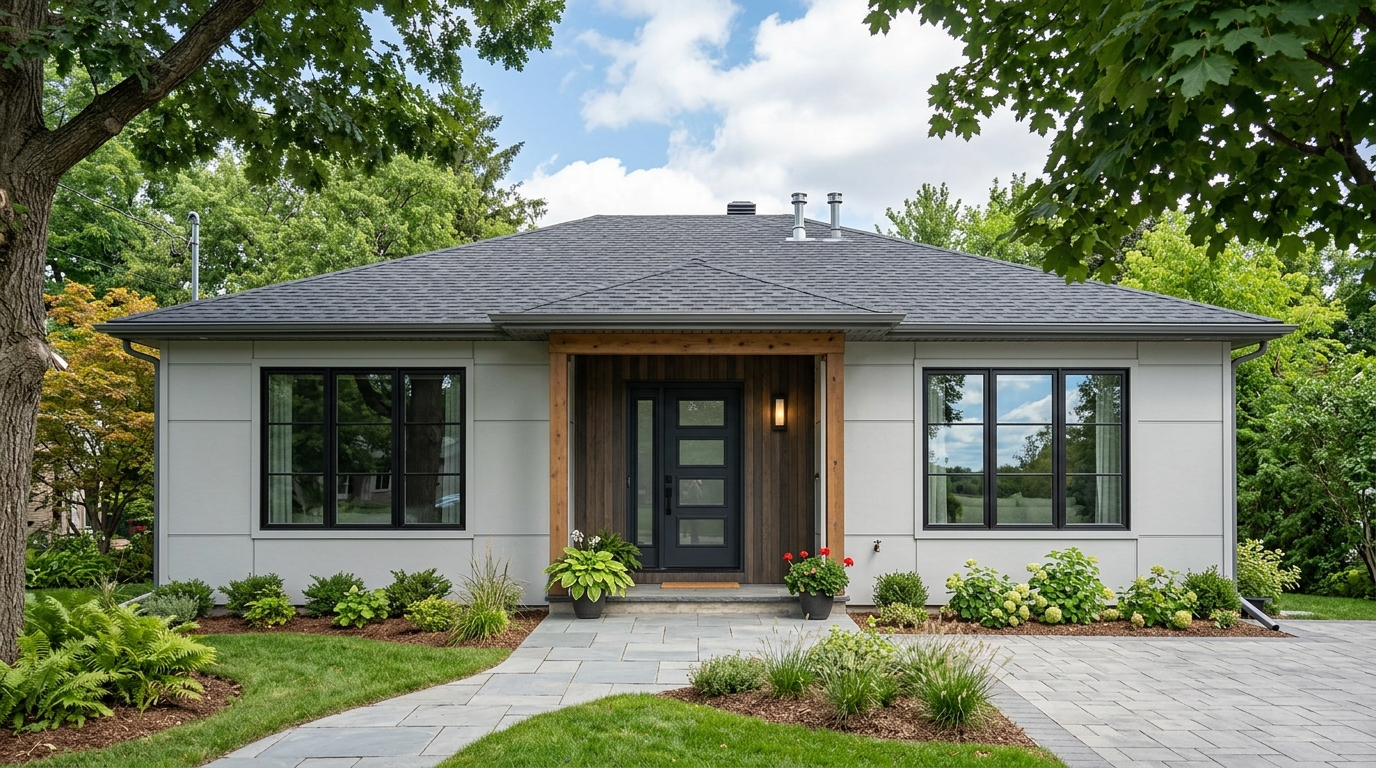
Updated siding, roofing, windows, garage doors, and front doors can create noticeable changes to your home’s exterior without the cost or disruption of a full rebuild. You can coordinate colors, textures, trim, and architectural details to give the facade a fresh, cohesive appearance that improves curb appeal and makes a stronger first impression. Durable materials designed to resist moisture, wind, UV exposure, and temperature changes help preserve that transformation with less painting, patching, and routine maintenance. The result is a more modern, polished home that can also support property value over time.
Expert installation ensures these visual improvements deliver practical benefits as well. Properly installed siding and roofing help protect against water intrusion, while energy-efficient windows and tightly sealed doors can reduce drafts and improve indoor comfort throughout the year. An upgraded garage door can improve insulation and security, while a new front door can provide a welcoming focal point and strengthen weather resistance. Careful flashing, trim work, sealing, and alignment are essential details that help every component perform as intended.
With a coordinated exterior plan, you can address aging materials and enhance your home’s appearance through one strategic investment. Experienced professionals can help you select low-maintenance, weather-resistant products that complement your home’s style and meet the demands of your local climate. Quality workmanship supports lasting performance, energy efficiency, and fewer repair concerns, giving you confidence in the finished transformation. Whether your goal is to refresh a dated facade or prepare your property for sale, these targeted upgrades offer a powerful way to modernize your home without rebuilding it.
Landscaping Lighting And Entry Details
Thoughtful landscaping and walkway design can make your exterior home transformation feel complete without requiring a full rebuild. You can use layered planting, defined borders, and durable paths to guide visitors toward the entry while creating a natural connection between the home and its property. Seasonal color, evergreen structure, and low-maintenance materials add visual interest throughout the year and help frame improvements such as new siding, doors, or trim. With an experienced design team, each element can be scaled to your property, budget, and maintenance preferences for a polished result.
Exterior lighting strengthens both nighttime appeal and everyday safety by highlighting architectural features, illuminating steps, and improving visibility along walkways. A balanced plan might combine soft entry lighting, path lights, and carefully aimed accents that showcase landscaping without creating harsh glare. Finishing details, including clearly visible house numbers, coordinated trim colors, shutters, and refreshed porch features, make arrival feel more welcoming while reinforcing the facade’s updated style. These purposeful upgrades deliver practical value through better wayfinding, stronger curb appeal, and a more cohesive first impression.
The most successful transformation treats the facade, front yard, and entry as one connected design rather than a collection of separate projects. You can create that unity by repeating colors and materials from the porch through the planting beds, coordinating fixtures with hardware, and choosing house numbers that remain legible from the street. Professional planning helps you avoid mismatched details and ensures lighting, drainage, access, and long-term durability support the visual improvements. The result is a modernized exterior that feels intentional day and night, enhances your arrival experience, and supports property value without the disruption of a complete reconstruction.
Professional Execution And Transformation Value
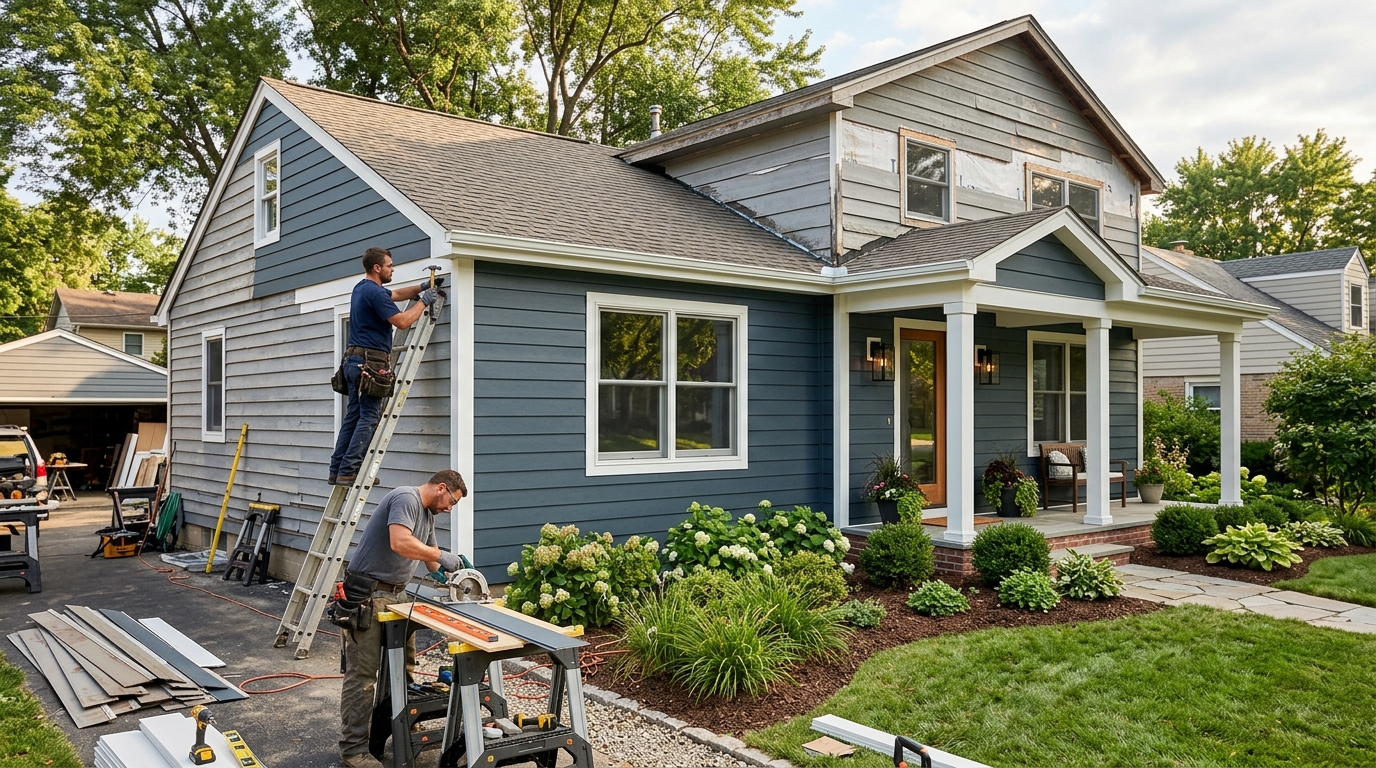
A successful exterior home transformation begins with a coordinated plan for your property’s facade, not a collection of disconnected upgrades. Experienced remodeling professionals align the design with your goals, review permitting requirements, guide you through siding, roofing, window, door, trim, and lighting selections, and create a clear installation schedule. They also evaluate grading, gutters, downspouts, and drainage before work begins, helping protect your investment from moisture problems while improving your home’s appearance. This complete approach allows you to modernize curb appeal and structural performance without the disruption and expense of a full rebuild.
During installation, skilled coordination keeps every detail moving from preparation through final inspection. Your remodeling team should verify measurements, manage material deliveries, protect surrounding landscaping, and confirm that each exterior element is installed for durability, weather resistance, and visual consistency. Before the project is complete, thorough quality checks can address finish details, drainage flow, flashing, seals, paint coverage, and site cleanup. Include verified proof of performance here, such as “[X]-day completion,” “[X]% client satisfaction,” or a before-and-after result showing how updated materials and architectural details changed the property’s character.
The value of choosing a qualified team is reflected in both the finished facade and your experience throughout the process. A client testimonial can reinforce this impact: “[Insert client quote about communication, craftsmanship, and the transformation of the home].” By combining design expertise, permit coordination, dependable installation, and careful quality control, professionals help you achieve a polished exterior that enhances curb appeal, supports long-term performance, and may strengthen property value. The result is a transformation you can enjoy immediately, backed by quality workmanship and measurable outcomes that give you confidence in your investment.
Transform Your Home’s Exterior With Confidence
A successful exterior home transformation can modernize your home’s facade, strengthen first impressions, and improve daily performance without the cost or disruption of a complete rebuild. Updated siding, roofing, windows, doors, lighting, and landscaping can work together to create a cohesive appearance while helping your home handle weather, moisture, and changing energy demands. Thoughtful improvements may also increase curb appeal, support property value, and make outdoor spaces more comfortable and functional. The strongest results come from balancing design choices with durable materials and practical upgrades that deliver lasting value.
Your next step is a professional consultation focused on your home, budget, and long-term goals. An experienced team can evaluate the existing structure, identify the highest-impact opportunities, and develop a tailored improvement plan with clear priorities and measurable outcomes. From a refined facade refresh to a broader upgrade that includes drainage, outdoor living, or resilience features, the right plan helps you invest with confidence. Begin today and turn your vision for a more attractive, efficient, and welcoming home into a transformation built around your needs.
Frequently Asked Questions
1. What is included in an exterior home transformation?
An exterior home transformation can include siding, roofing, windows, doors, trim, drainage, lighting, landscaping, and outdoor living areas. By coordinating these elements through one cohesive plan, you can improve curb appeal while also increasing comfort, durability, efficiency, and year-round enjoyment.
2. How do I know which exterior improvements my home needs first?
A professional facade assessment identifies outdated materials, water damage, poor drainage, awkward transitions, and design issues that affect your home’s appearance and performance. Experienced professionals can prioritize improvements based on condition, safety, budget, long-term value, and how each project supports the overall design.
3. How can I create a cohesive exterior design instead of a collection of disconnected upgrades?
Start with a professionally developed design vision that considers your home’s architecture, proportions, roofline, landscaping, and existing materials. Your design team can coordinate siding profiles, roofing, windows, trim, garage doors, lighting, and entry features so color, texture, scale, and sightlines work together.
4. Which exterior materials are best for durability and severe weather protection?
The right materials depend on your climate, home design, exposure, and maintenance preferences. Professionals can help you compare durable siding, roofing, windows, doors, and trim options that support weather resistance, energy efficiency, and lasting performance. Verified project results and client feedback can also help guide your choices.
5. Can an exterior home transformation improve energy efficiency and comfort?
Yes. Improvements such as updated windows, doors, siding, roofing, insulation, and better moisture management can help reduce drafts, heat transfer, and indoor temperature fluctuations. A coordinated approach delivers stronger results than replacing one component without addressing the rest of the exterior envelope.
6. How can exterior improvements protect my home from water damage?
Effective protection starts with properly installed roofing, siding, flashing, gutters, downspouts, grading, and drainage systems. Your project team should evaluate how water moves around your home and correct vulnerable areas before they lead to rot, leaks, foundation concerns, or expensive repairs.
7. How long does an exterior home transformation take?
The timeline depends on the project scope, materials, design complexity, permitting, weather, and whether several upgrades are completed together. Careful planning and experienced project coordination help reduce delays, manage transitions between trades, and keep the work moving toward a consistent, high-quality result.
8. How can I make my outdoor space more functional and enjoyable?
You can connect your home to the outdoors with thoughtfully planned patios, decks, walkways, lighting, landscaping, entry improvements, and outdoor living features. A professional design team can plan these elements around how you use your property, creating a more comfortable retreat while improving circulation, curb appeal, and long-term value.