
Getting the ADU fire sprinkler requirements wrong can delay permits, increase construction costs, and create avoidable compliance problems. Because requirements vary by jurisdiction, you need to confirm which state and local codes apply before finalizing your plans. In California, the key question is whether your existing primary residence is required to have sprinklers, not simply whether you are adding an ADU.
As of January 1, 2026, an ADU generally follows the primary home’s sprinkler status. If the existing residence is not required to have sprinklers, the ADU typically is not required to have them either. If sprinklers are required, the ADU generally must also be protected. A new primary dwelling is generally subject to automatic residential sprinkler requirements, but adding an ADU alone does not force you to retrofit an existing unsprinklered home. Understanding these distinctions early helps you make confident design decisions, avoid costly surprises, and move your project toward approval with professional guidance.
Key Takeaways
- ADU sprinkler requirements vary by state, city, and county, so confirm the applicable code edition, local amendments, and fire-authority standards before finalizing plans or budgets.
- In California, as of January 1, 2026, an ADU or JADU generally follows the existing primary residence’s sprinkler status: if the home is not required to have sprinklers, the added unit typically is not either; if sprinklers are required, the ADU generally must also be protected.
- Adding an ADU alone generally does not trigger sprinkler retrofits in an existing unsprinklered primary home, while a newly constructed primary dwelling is generally required to include automatic residential sprinklers.
- A sprinkler exemption does not eliminate other fire-safety obligations, including smoke and carbon monoxide alarms, emergency egress, fire-resistant construction, access, water supply, and wildfire-related protections; obtain a professional code review early to avoid redesigns and permit delays.
Introduction To ADU Fire Sprinkler Requirements
ADU fire sprinkler requirements depend on the state, city, and county codes governing your property. A rule that applies in one jurisdiction may not apply in another. Local building and fire officials may adopt amendments or enforcement procedures that affect plan review, permits, and inspections. Before budgeting for an automatic sprinkler system, confirm which code edition applies to your project and whether local requirements add to the state standard. This early review helps you avoid costly redesigns and unexpected construction delays.
In California, rules effective January 1, 2026, focus on the relationship between the ADU and the existing primary residence. The key question is whether the primary residence is already required to have an automatic residential sprinkler system. If sprinklers are not required for the existing home, the ADU or JADU generally does not need them solely because it is being added. If the primary residence is required to have sprinklers, the ADU will generally need a system as well.
Building an ADU by itself generally cannot force you to retrofit an existing, unsprinklered primary residence under California’s updated framework. However, a newly constructed primary dwelling is generally required to include automatic residential sprinklers, including when it is built with an ADU. Because this determination can affect design, permitting, water supply, and project costs, you should have the existing home and proposed ADU reviewed together by a qualified plan professional. A careful code review gives you a clearer budget and helps ensure that your safety infrastructure is designed correctly from the start.
California ADU Sprinkler Requirements And Exemptions
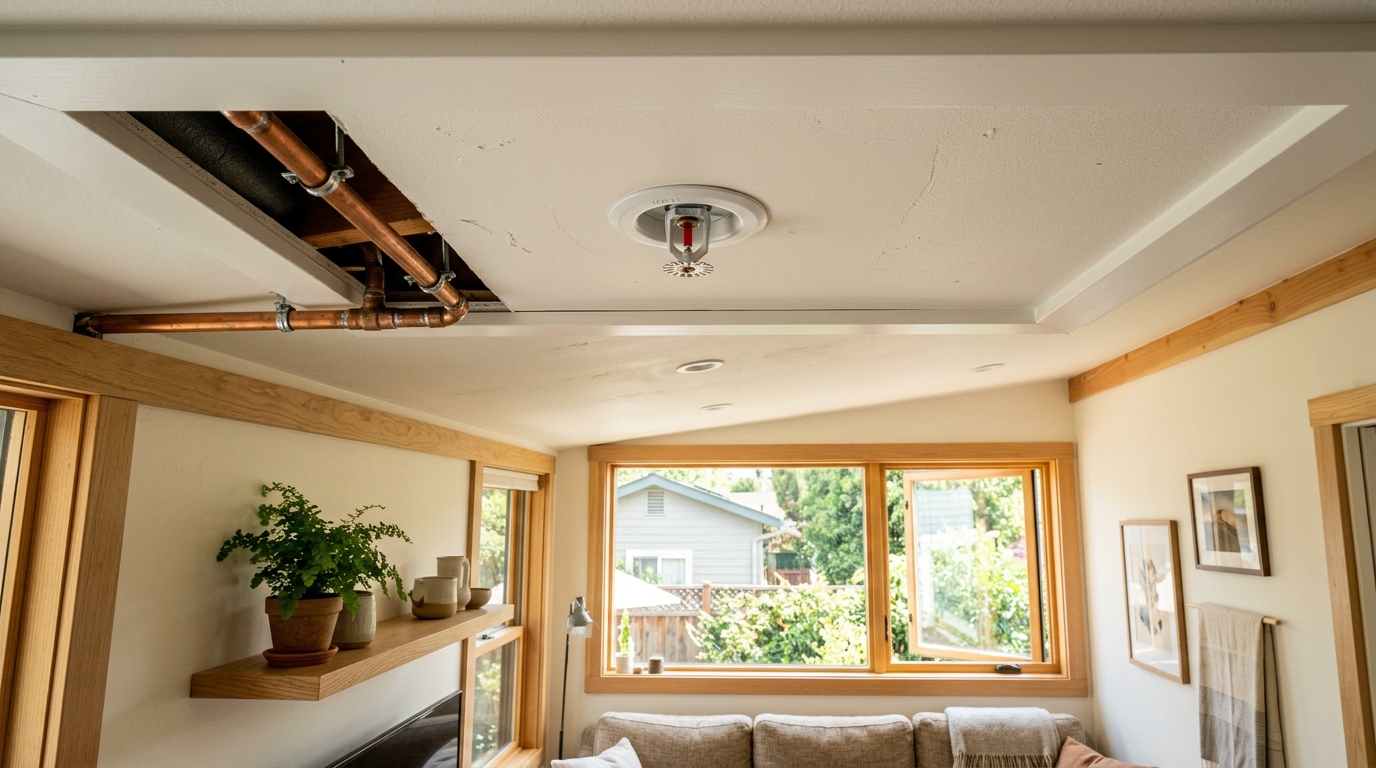
Under California’s ADU fire sprinkler requirements, an ADU or JADU generally does not need an automatic sprinkler system when the existing primary residence is not required to have one. If the primary home is already subject to a sprinkler requirement, the ADU will generally need sprinklers as well. The key question is whether the existing residence is required to have sprinklers under applicable California and local building codes, not simply whether you are adding a secondary unit. Confirming this early helps you avoid surprises in design, permitting, and construction costs.
Constructing an ADU alone generally cannot force you to install sprinklers in an existing primary residence that was not required to have them. However, other work performed at the property may create separate fire and life-safety requirements, so the local building department should review your project as a whole. A newly built primary dwelling is typically required to include an automatic residential sprinkler system, including when the new home is constructed with an ADU. This distinction is important when comparing an ADU addition with a new primary-home construction project.
Because local code adoption and project details can affect the outcome, verify the requirements before finalizing plans or requesting bids. A thorough code review can determine whether the existing home is exempt, whether the ADU must share an existing sprinkler system or have its own, and whether related upgrades are necessary. Working with an experienced ADU design and permitting team gives you a clearer budget and helps keep approvals moving efficiently. It also allows you to address fire-safety requirements during planning, when changes are less disruptive and less expensive.
Primary Residence Sprinkler Triggers For ADUs
In California, the primary residence’s sprinkler status is often the starting point for determining ADU fire sprinkler requirements. If the existing home was not required to have an automatic sprinkler system, adding an ADU generally does not, by itself, force you to retrofit the primary residence or install sprinklers in the ADU. However, if the primary dwelling is required to have sprinklers under the code in effect for the property, the ADU will generally need a compatible residential sprinkler system as well. This relationship can affect utility planning, ceiling design, water supply, and construction costs, so identifying it early helps you avoid expensive redesigns.
The project scope also matters when you remodel, build a new primary home, or add to an existing structure. A newly constructed primary dwelling is generally required to include automatic residential sprinklers, including when it is built with an ADU. A major addition or remodel may be reviewed under current code provisions that apply to the proposed work. Local amendments, fire district standards, and site-specific conditions may impose requirements that are more detailed than the statewide baseline. An experienced design and permitting team can evaluate the primary home’s permit history, proposed scope, and available water service before plans are finalized.
Before approving architectural or engineering drawings, confirm the sprinkler determination directly with your city or county building department and the applicable fire authority. Ask whether the primary home was legally required to have sprinklers, whether the planned work changes that analysis, and which system standards apply to the ADU. Written confirmation gives you a reliable basis for budgeting and helps prevent late-stage corrections during plan review. Addressing these questions at the beginning allows you to make informed design decisions and move through permitting with greater confidence.
ADU Fire Safety Requirements Beyond Sprinklers
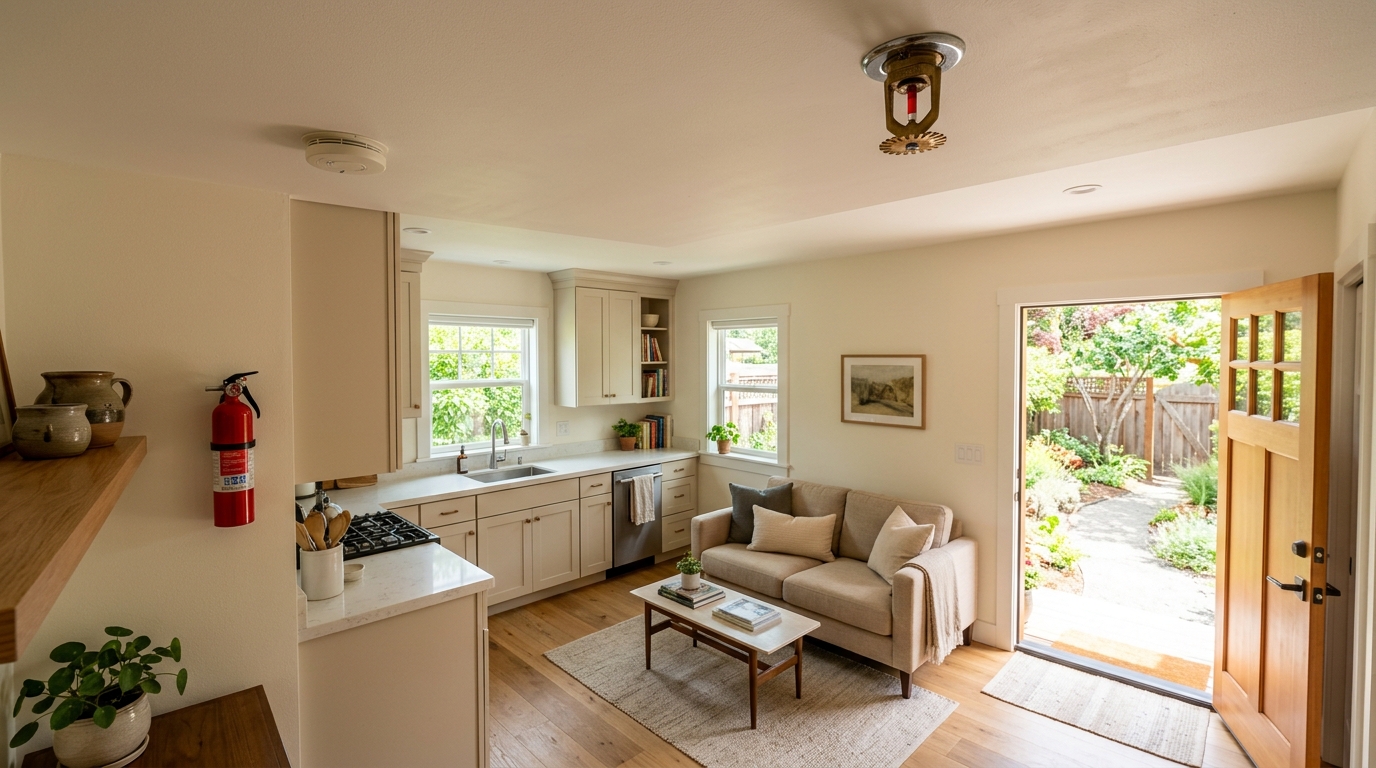
Even when California ADU fire sprinkler requirements do not apply, you still need to satisfy other fire-safety obligations established by the state and your local building or fire department. Plans may need to show emergency vehicle access, a visible address, adequate water supply, and acceptable fire-flow conditions, especially in areas with limited streets or hydrants. Fire-resistance measures may also include rated walls, doors, ceilings, and protected openings between the ADU, primary residence, garage, or property lines. Reviewing these details early helps you identify infrastructure costs before construction begins and reduces the risk of redesigns during plan review.
Your ADU must also include properly located smoke alarms and carbon monoxide alarms, along with emergency egress that allows occupants to reach safety from sleeping rooms and other required areas. Window dimensions, door clearances, stairs, corridors, and exterior pathways may affect whether an exit meets code. Coordinate these features with the floor plan instead of adding them at the end. If your property lies in a high fire hazard or wildfire-prone zone, additional standards may govern roofing, siding, vents, glazing, defensible space, and access for responding crews. Local amendments can be stricter than the statewide baseline, making jurisdiction-specific review essential.
A sprinkler exemption should be treated as one code determination, not as a complete fire-safety strategy. As of January 1, 2026, California generally does not require an ADU or JADU to have sprinklers when the existing primary residence is not required to have them, but other protections may still require substantial planning and investment. A coordinated review of your site, plans, water conditions, fire separation, alarms, egress, and wildfire exposure gives you a clearer construction budget and a more predictable approval process. Working with experienced code professionals can help you document compliance accurately and address concerns before they delay your permit.
ADU Sprinkler Planning Costs And Professional Compliance
Your ADU sprinkler budget should begin with a code review, not an installation quote. In California, as of January 1, 2026, an ADU or JADU generally does not require sprinklers when the existing primary residence is not required to have them. An ADU generally must be sprinklered when the primary residence is required to have an automatic system. Building an ADU alone does not typically trigger sprinkler installation in an existing unsprinklered home, but a newly constructed primary dwelling is generally required to include sprinklers. Local amendments, fire access conditions, and project-specific construction details can still affect the final determination, so confirming requirements with the building department early can prevent costly surprises.
When sprinklers are required, hydraulic planning, water-supply testing, system design, permit preparation, and installation all influence cost and schedule. A qualified professional can identify pressure or flow limitations, coordinate pipe routing with walls and ceilings, prepare code-compliant plans, and resolve reviewer comments before they cause inspection delays. Early coordination is especially valuable when the ADU shares utilities, connects to an existing residence, or requires water-service upgrades. Request a clear scope that separates design, permitting, equipment, installation, testing, and required corrections so you can compare the full project cost rather than rely on a misleading initial estimate.
Reliability is easier to evaluate when a professional supports its claims with verified customer testimonials, documented project outcomes, and service metrics such as permit approval timelines, inspection pass rates, or completed ADU installations. Look for feedback that specifically addresses communication, redesign avoidance, schedule management, and final inspection performance rather than general satisfaction alone. A transparent provider should explain which results are typical, identify factors outside its control, and show how its review and design process protects your budget. Choosing experienced support during planning can reduce rework and help move your ADU from code review to approved installation with fewer surprises.
Conclusion On ADU Sprinkler Compliance
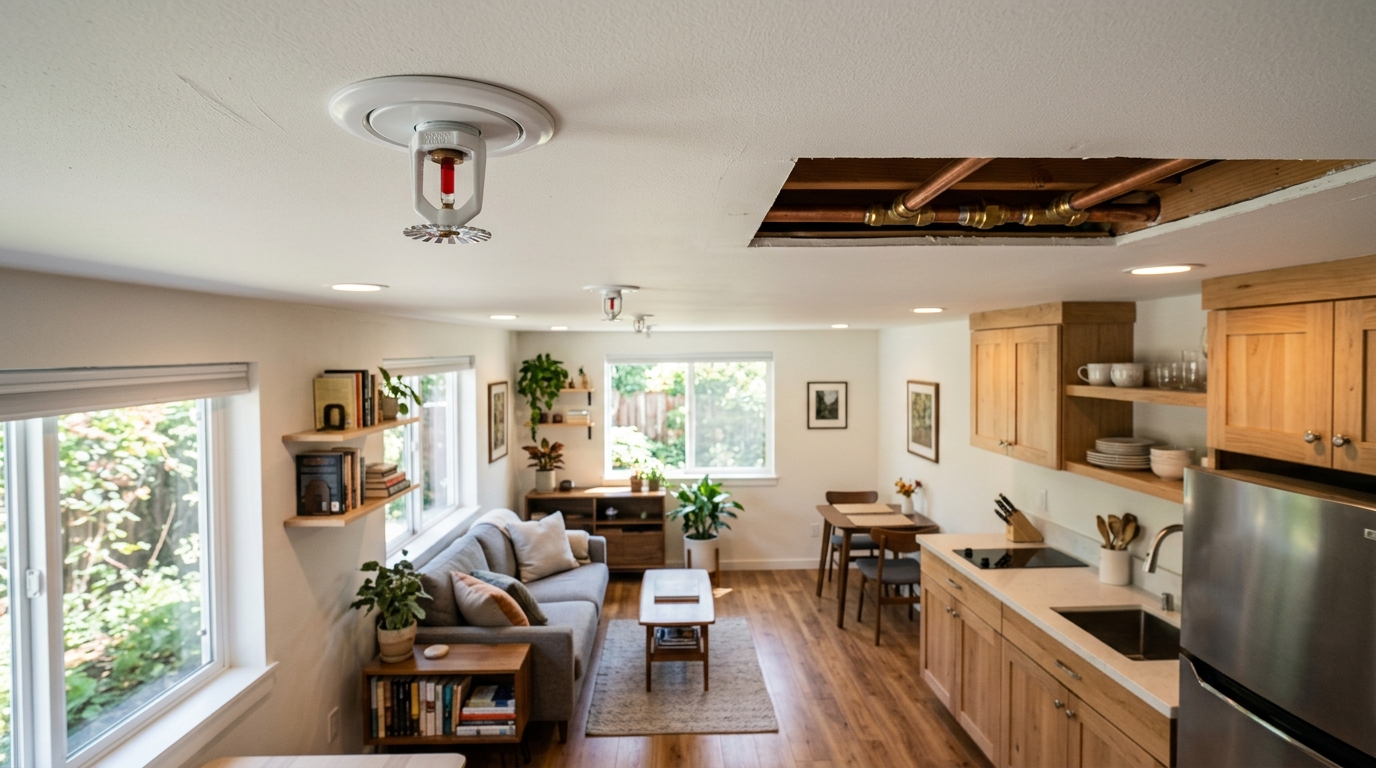
ADU fire sprinkler requirements are jurisdiction-specific, so confirm the rules that apply to your property before finalizing plans or requesting permits. In California, the existing primary residence’s sprinkler status is an important starting point. If sprinklers are not required in that home, the ADU or JADU generally does not need them solely because it is being added. If the primary residence is required to have sprinklers, the ADU will generally need a compliant automatic residential sprinkler system as well. Local amendments, fire authority policies, and the exact project details can still affect the final determination.
Your construction scope also matters, particularly when an ADU is part of a larger remodel, a new primary dwelling, or a substantial rebuilding project. Building an ADU by itself generally does not trigger sprinkler installation in an existing, unsprinklered primary residence, while a newly constructed primary dwelling is generally subject to residential sprinkler requirements, including when it is built with an ADU. Reviewing locally adopted building and fire codes early can help you identify required infrastructure before design decisions increase costs. It can also prevent avoidable plan revisions, permit delays, and unexpected installation expenses.
A qualified ADU designer, contractor, or fire-sprinkler professional can evaluate your existing residence, project scope, water supply, and local requirements to develop a compliant, cost-conscious fire-safety plan. Ask your local building department or fire authority to verify the current code interpretation, including any city or county amendments that differ from the statewide baseline. With the right guidance, you can budget accurately, coordinate sprinkler design with the rest of the construction, and protect your project from costly surprises. Starting with a code review and professional site assessment gives you a clearer path to safe, efficient ADU approval.
Understand California’s ADU Sprinkler Requirements
Understanding ADU fire sprinkler requirements starts with identifying the code that applies to your property. In California, as of January 1, 2026, an ADU or JADU generally does not require sprinklers when the existing primary residence is not required to have them. If the primary residence is required to be sprinklered, the ADU will generally need an automatic residential sprinkler system as well. Building an ADU alone does not typically require you to retrofit an existing, unsprinklered primary home, although a newly constructed primary dwelling is generally subject to residential sprinkler requirements.
Because local enforcement and site conditions can affect design, confirm the requirements with your building department and fire authority before finalizing plans or preparing your budget. A qualified ADU design and permitting team can review the primary residence, determine whether sprinklers are triggered, and coordinate the system with your architectural and plumbing plans. Planning early helps you account for water supply, equipment, permitting, and installation costs instead of facing changes during construction. With careful code review and experienced project coordination, you can move forward with greater confidence that your ADU will meet safety requirements and support a smooth approval process.
Frequently Asked Questions
1. Does an ADU in California need an automatic fire sprinkler system?
Not automatically. As of January 1, 2026, an ADU generally follows the sprinkler status of the existing primary residence. If the home is not required to have sprinklers, the ADU typically is not required to have them either. If the primary residence is required to have sprinklers, the ADU generally must also be protected.
2. Does adding an ADU force me to install sprinklers in my existing home?
Adding an ADU alone generally does not require you to retrofit an existing unsprinklered primary residence in California. The key issue is whether the existing home was already required to have an automatic residential sprinkler system under the applicable code. Your local building and fire officials must confirm how that rule applies to your property and project scope.
3. Are ADU sprinkler requirements the same in every city and county?
No. State requirements provide the foundation, but cities and counties may adopt local amendments, administrative procedures, or enforcement standards that affect your plans. Confirm the applicable jurisdiction, code edition, and local requirements before finalizing your design or construction budget.
4. Does a new primary residence with an ADU require fire sprinklers?
A new primary dwelling is generally subject to automatic residential sprinkler requirements, and the associated ADU will typically need to be evaluated under the same applicable standards. Do not assume the rules for a new home are the same as those for an ADU added to an existing residence. A professional code review can identify the correct requirements before plan submission.
5. Do JADUs follow the same sprinkler rules as ADUs?
In California, a JADU generally follows the sprinkler status of the existing primary residence, similar to an ADU. If the primary home is not required to have sprinklers, the JADU typically is not required to have them solely because it is being created. Local review remains essential because project conditions and jurisdictional amendments can affect the final determination.
6. What happens if the ADU must have sprinklers?
You may need a properly designed automatic residential sprinkler system, approved plans, permits, inspections, and coordination with the building and fire departments. The system may also affect water supply, plumbing layout, ceiling conditions, utility spaces, and construction costs. Addressing these requirements early helps prevent redesigns, failed inspections, and permit delays.
7. How can I confirm whether my ADU needs fire sprinklers?
Start by determining whether the existing primary residence is required to have sprinklers, then verify the current state and local code requirements with the authority having jurisdiction. A qualified ADU design and permitting professional can review your property records, project scope, and jurisdictional rules before plans are submitted. This expert review gives you a clearer budget, reduces compliance risk, and helps move your project toward approval with fewer surprises.