
Your backyard sanctuary holds more potential than just a place to store towels and lounge chairs. In 2026, the pool house conversion has emerged as a premier strategy for homeowners looking to increase property value and versatile living options. By transforming a simple recreational structure into a sophisticated Accessory Dwelling Unit (ADU), you turn underutilized square footage into a high-functioning asset. Whether you are dreaming of a steady rental income stream or a private retreat for multi-generational family members, the transition from storage to a habitable home is a significant upgrade.
This transformation requires a clear understanding of the legal shift from a non-habitable structure to a fully independent residence. While a traditional pool house serves as a convenient changing area, a legal ADU conversion must meet strict building codes and habitability standards. Successfully bridging this gap ensures your investment is both compliant and profitable in a competitive real estate market. Mastering the nuances of zoning and design will allow you to maximize every inch of your property footprint.
Key Takeaways
- Transforming a pool house into a legal Accessory Dwelling Unit (ADU) requires reclassifying the structure from a non-habitable recreational space to a certified residence that meets strict building and safety codes.
- A successful conversion must include mandatory independent living facilities, such as a full kitchen with a stove and a complete bathroom, alongside structural reinforcements and high-performance insulation for year-round climate control.
- Strategic design choices, including vaulted ceilings, large glass sliders, and moisture-resistant luxury finishes, maximize the utility of compact spaces while maintaining a seamless aesthetic connection to the primary residence.
- Converting an underutilized pool house into a habitable ADU significantly boosts property appraisal value and creates a versatile asset capable of generating steady rental income or supporting multi-generational living.
Navigating Local ADU Zoning And Habitation Requirements
Transitioning a luxury pool house from a recreational changing area into a certified Accessory Dwelling Unit requires a shift in legal classification from non-habitable structure to habitable space. While a standard pool house is designed for storage or temporary relaxation, an ADU must meet rigorous building codes that support permanent residency. This process involves securing specific permits that prove the structure can safely accommodate overnight stays and long term occupancy. Homeowners must follow local zoning ordinances that dictate setbacks, height restrictions, and floor area ratios to ensure the pool house conversion is fully compliant. Successfully reclassifying the space not only adds significant property value but also opens the door for legal rental income or multi-generational housing.
The most critical physical upgrades for a legal conversion revolve around mandatory independent living facilities and sanitation. To meet ADU standards, the structure must include a permanent provision for living, sleeping, eating, and sanitation. This typically means upgrading a simple half bath used by swimmers into a full bathroom with a shower or tub that meets modern plumbing codes. Furthermore, the installation of a full kitchen with a stove, oven, and refrigerator is a requirement for habitability in most jurisdictions. These utility upgrades often require trenching for new sewer lines or electrical panels to handle the increased load of a functional home.
Beyond the interior amenities, local authorities will scrutinize the structural integrity and energy efficiency of the existing building. Converting a lifestyle structure into a home means the walls, floors, and roof must meet current energy conservation standards, which often involves adding high grade insulation and dual pane windows. Fire safety is another paramount concern, requiring the installation of smoke detectors, carbon monoxide alarms, and proper egress points for emergency exits. It is essential to work closely with local building departments to ensure every modification aligns with the specific safety regulations of your municipality. By addressing these habitability requirements early, you can transform a simple poolside retreat into a sophisticated and legal secondary residence.
Engineering The Conversion From Recreation To Residence
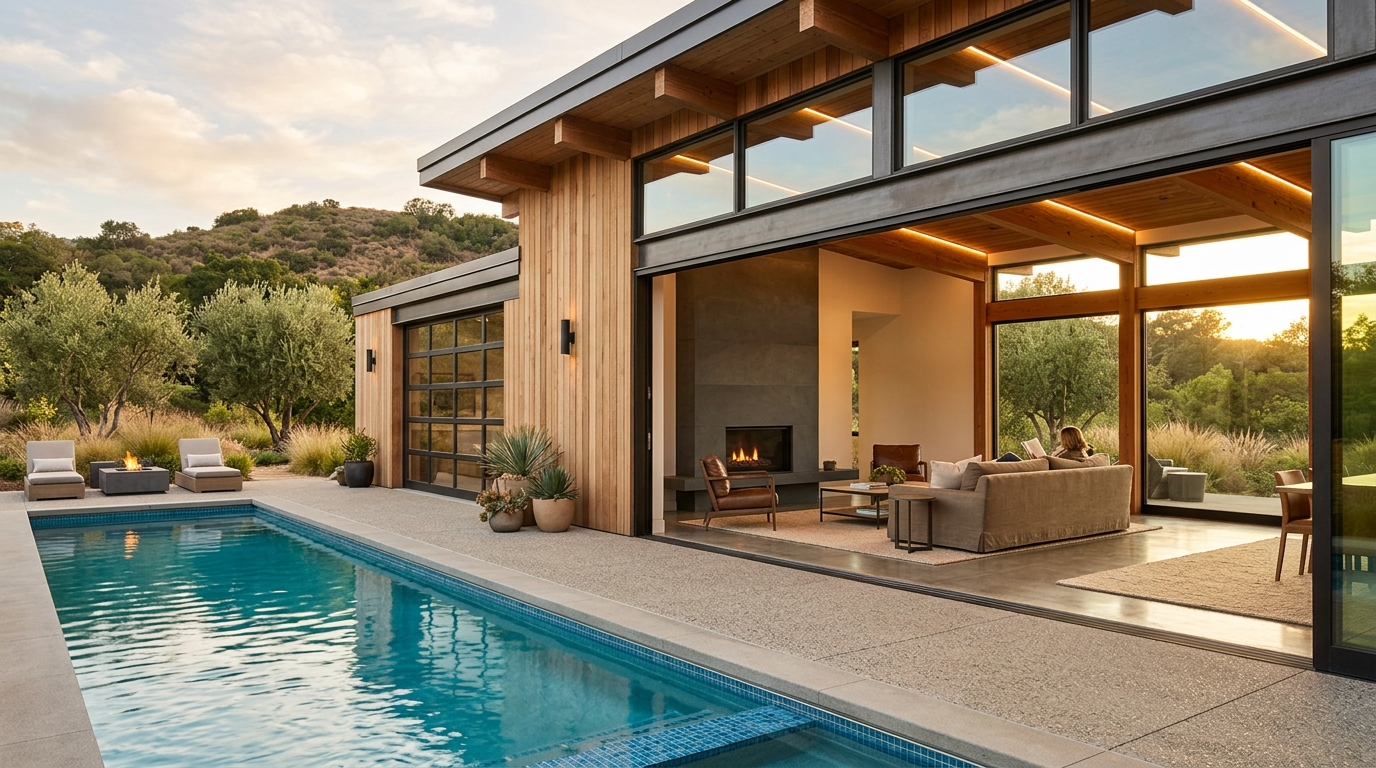
Converting a seasonal pool house into a permanent residence requires a rigorous assessment of the existing foundation and structural integrity. Most recreational structures are built to support light, intermittent use rather than the constant load-bearing requirements of a year-round dwelling. Engineers must often reinforce the concrete slab or perimeter footings to meet modern building and safety codes for habitable Accessory Dwelling Units. This process ensures the shell can support additional interior wall weight, ceiling finishes, and the heavy appliances necessary for independent living. By upgrading the fundamental bones of the structure, you create a safe and durable environment that adds significant value to your property.
Achieving a comfortable living environment necessitates a complete overhaul of the building’s thermal envelope and climate control systems. Standard pool houses usually lack the high-performance insulation required to keep a space warm in winter and cool in summer. Technical upgrades include installing vapor barriers, spray-foam or mineral wool insulation, and energy-efficient windows that prevent thermal bridging. To manage the temperature, a dedicated HVAC system, such as a ductless mini-split, is typically integrated to provide precise climate control without the need for extensive ductwork. These systems are essential for transforming a breezy summer changing room into a cozy, energy-efficient home.
Transitioning to a habitable ADU also involves sophisticated mechanical engineering to handle permanent plumbing and electrical demands. Unlike a simple outdoor shower or sink, a full conversion requires a robust sewer connection and a comprehensive electrical panel upgrade to power a kitchen and laundry suite. Proper ventilation is another critical technical requirement to prevent moisture buildup, especially in compact spaces that now feature full bathrooms. Reinforcing the existing shell with moisture-resistant barriers and advanced venting ensures the interior remains healthy and dry throughout the seasons. This meticulous technical approach bridges the gap between a simple backyard amenity and a high-end lifestyle transformation.
Designing Luxury Interiors For Compact Poolside Living
Converting a pool house into a high end living space requires a strategic approach to open concept design that maximizes every square foot. By removing non structural partitions and utilizing vaulted ceilings, you can transform a formerly cramped changing room into an airy, sophisticated studio. Large glass sliders or folding accordion doors are essential components for creating a seamless transition between the interior lounge and the pool deck. This design philosophy ensures that the structure maintains its recreational charm while evolving into a fully functional guest suite or rental unit. The result is a multipurpose environment that feels much larger than its physical footprint suggests.
Material selection plays a pivotal role in maintaining a luxury aesthetic while addressing the unique challenges of poolside living. High end finishes such as porcelain tile that mimics natural stone or water resistant engineered hardwoods provide the durability needed to withstand moisture and humidity. Integrating custom cabinetry with moisture wicking properties ensures that the interior remains pristine and free from the wear typically associated with outdoor proximity. Subtle architectural details, like recessed lighting and integrated climate control, further elevate the space from a simple utility shed to a premium accessory dwelling unit. These choices protect your investment while offering a tactile sense of refinement for residents and guests alike.
The ultimate goal of a pool house conversion is to enhance the property lifestyle appeal without sacrificing the cohesion of the existing landscape. Designers often use a consistent color palette and matching exterior claddings to ensure the new living space feels like a natural extension of the primary residence. Incorporating a compact but gourmet kitchenette with stone countertops and integrated appliances allows the unit to serve as a self contained retreat. This balance of high end interior design and practical utility significantly boosts property value and provides a versatile space for multi-generational living. By prioritizing both form and function, you create a sophisticated sanctuary that bridges the gap between luxury relaxation and modern habitation.
Maximizing Property Value Through Strategic Conversions
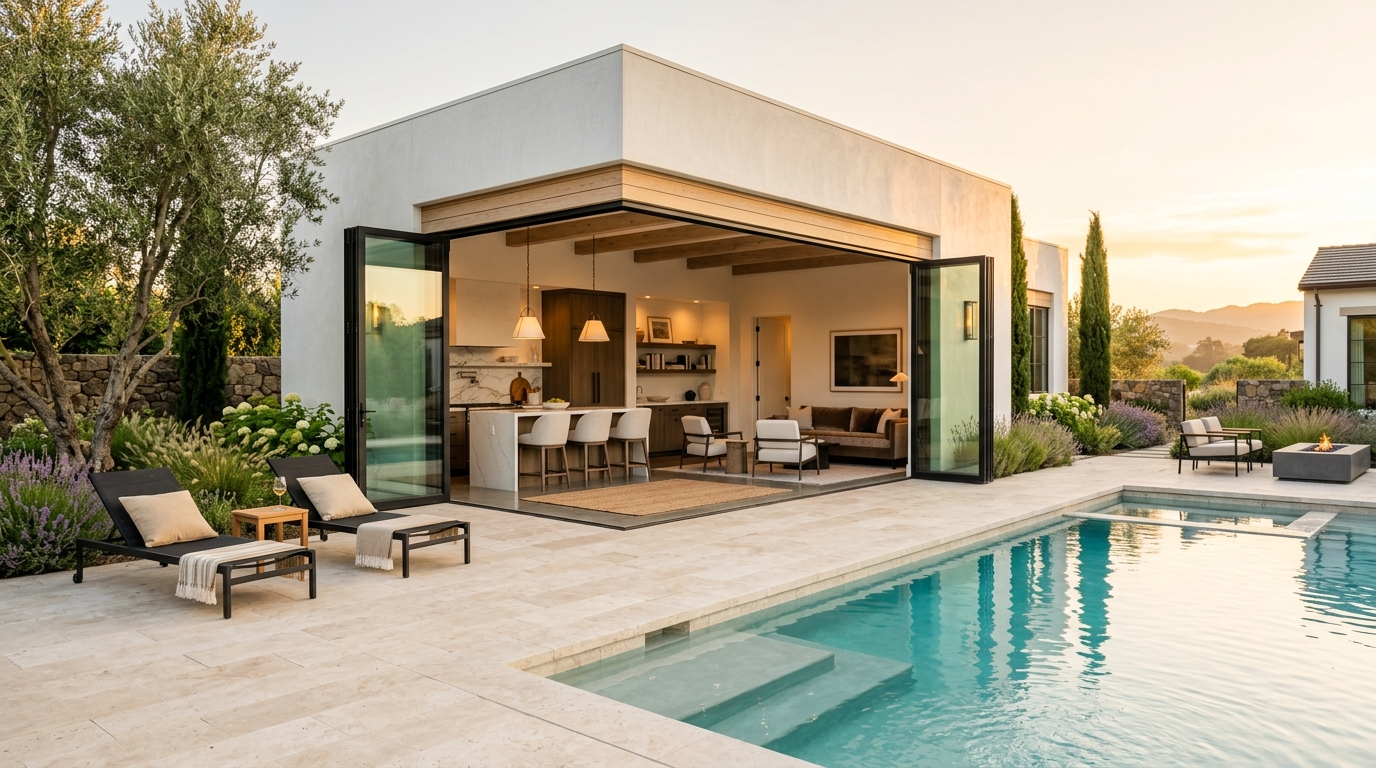
Converting a seasonal pool house into a permanent living space is one of the most effective ways to boost your home equity while diversifying your property’s utility. By upgrading a non habitable structure into a fully functional accessory dwelling unit, you transform an underutilized recreational area into a high value asset. This strategic shift moves the structure beyond simple storage or a changing room, allowing it to contribute directly to the overall appraisal of your estate. High end lifestyle transformations like these appeal to a wide range of buyers, from those seeking multi generational housing solutions to professionals looking for a sophisticated home office. The transition from a seasonal amenity to a year round residence ensures that every square foot of your property is working to maximize your financial return.
Beyond the immediate increase in property value, these conversions provide a reliable path toward consistent rental yield. Learning how to create the perfect backyard studio apartment allows homeowners to tap into the lucrative short term or long term rental markets, creating a steady stream of passive income. This secondary suite can serve as a luxury guest house or a private rental, often fetching premium rates due to the desirable poolside setting and independent access. Because the foundation and basic shell of the structure already exist, the cost per square foot for this upgrade is often more favorable than starting a new build from scratch. Investing in high quality finishes and modern amenities during the conversion process ensures the space remains competitive and attractive to high tier tenants for years to come.
Transforming Your Pool House Into a Habitable ADU
Converting an existing pool house into a fully habitable accessory dwelling unit is a sophisticated way to maximize your property’s footprint and utility. The process begins with a clear understanding of local zoning laws and the legal distinction between a recreational structure and a primary residence. Successful transformations require a focus on structural integrity, professional utility integration, and high-end interior finishes that match the quality of the main home. Consulting with an ADU contractor ensures the new space meets all safety codes while providing a seamless transition from a simple changing area to a luxury living environment.
This strategic investment does more than just add square footage, as it significantly elevates the overall market value and versatility of your estate. Whether you intend to use the space for multi-generational housing, a private guest suite, or a premium rental unit, the lifestyle benefits are immediate and substantial. A well-executed conversion turns an underutilized seasonal building into a functional, year-round asset that appeals to modern buyers looking for flexible living arrangements. Ultimately, repurposing your pool house is a forward-thinking move that blends architectural beauty with practical, long-term financial gains, especially when you explore the best ADU financing options to fund your secondary suite.
Frequently Asked Questions
1. What is the main difference between a standard pool house and an ADU?
A standard pool house is a non-habitable structure intended for storage or changing, while an ADU is a certified residence. Converting to an ADU requires meeting strict building codes for permanent occupancy, including climate control and safety standards.
2. How does converting my pool house increase my property value?
By reclassifying a recreational space as a legal Accessory Dwelling Unit, you add high-functioning square footage to your real estate portfolio. This transformation creates a versatile asset that attracts higher appraisals and offers potential for steady rental income.
3. What legal requirements must I consider for a pool house conversion?
You must navigate local zoning ordinances that govern setbacks, height restrictions, and floor area ratios. Securing the correct permits is essential to transition the space from a non-habitable structure to a certified habitable residence.
4. Can I legally rent out my converted pool house?
Yes, once you have successfully reclassified the structure as an ADU and met all local habitation requirements, you can offer it as a legal rental. This allows you to generate a consistent income stream from a previously underutilized part of your property.
5. Is a pool house conversion suitable for multi-generational living?
Transforming your pool house into an ADU creates a private, independent retreat for family members. It provides a sophisticated living solution that balances proximity with personal space for parents or adult children.
6. What are the primary building codes I need to address?
You must ensure the structure meets rigorous standards for safety, structural integrity, and long term occupancy. This involves upgrading the building to support permanent residency, which goes beyond the basic requirements of a simple changing area.