
The traditional American household is undergoing a profound transformation as record numbers of families choose to share a single roof. In 2024, nearly one-fifth of all home purchases were driven by the need for shared space, leading to a massive surge in the popularity of multi-generational living suites. These specialized floor plans offer a sophisticated solution to modern pressures, providing private entrances and kitchenettes that allow families to stay connected without sacrificing personal autonomy.
For many, this shift is a strategic response to rising economic costs and the complex demands of caregiving. Generation X is currently at the forefront of this movement, often balancing the needs of aging parents alongside adult children returning home. By investing in a home designed for multiple generations, families are discovering they can pool their resources to achieve a higher quality of life. This lifestyle choice fosters deeper emotional bonds while offering the practical flexibility required in a changing housing market.
Key Takeaways
- Multi-generational living suites provide a sophisticated architectural solution to the housing crisis by offering private entrances and kitchenettes that balance personal autonomy with family proximity.
- Consolidating multiple generations into a single property serves as a strategic economic move, reducing collective costs for mortgages, utilities, and elder care while building shared home equity.
- Modern suite designs prioritize ‘aging in place’ through universal accessibility features, allowing seniors to avoid the high costs of assisted living while remaining integrated into daily family life.
- Integrating specialized suites into a home significantly increases long-term resale value by appealing to the growing demographic of buyers seeking versatile, multi-functional living arrangements.
Economic Advantages Of Integrated Family Suites
In a challenging real estate market, integrated family suites offer a pragmatic solution to the rising costs of independent living. By consolidating resources into a single property, homeowners can significantly reduce the collective burden of mortgage payments, property taxes, and utility bills. This arrangement allows families to build equity in a shared asset rather than losing wealth to separate rental payments or high interest rates on multiple properties. Beyond the immediate monthly savings, the presence of an on-site suite increases the long-term resale value of the home by appealing to the growing number of buyers seeking versatile living arrangements.
These specialized living spaces provide a vital economic safety net for both boomerang children and aging parents who may be struggling with the current housing crisis. Adult children can use the stability of an integrated suite to pay off student loans or save for a future down payment without the stress of market-rate rent. Simultaneously, elderly family members can avoid the exorbitant costs of assisted living facilities by remaining in a supportive, private environment on the family property. This proximity reduces travel expenses and the need for paid external caregivers, keeping more of the family income within the household.
The financial advantages of this lifestyle extend into everyday benefits that are often overlooked during traditional home searches. Sharing responsibilities like grocery shopping, home maintenance, and childcare creates a collaborative economy within the home that saves both time and money. Families find that they can invest in higher quality amenities or sustainable upgrades because the costs are distributed across more contributors. Ultimately, the shift toward multi-generational suites represents a move away from isolated consumption toward a more resilient, community-based financial model that protects every generation involved.
Design Features For Privacy And Independence
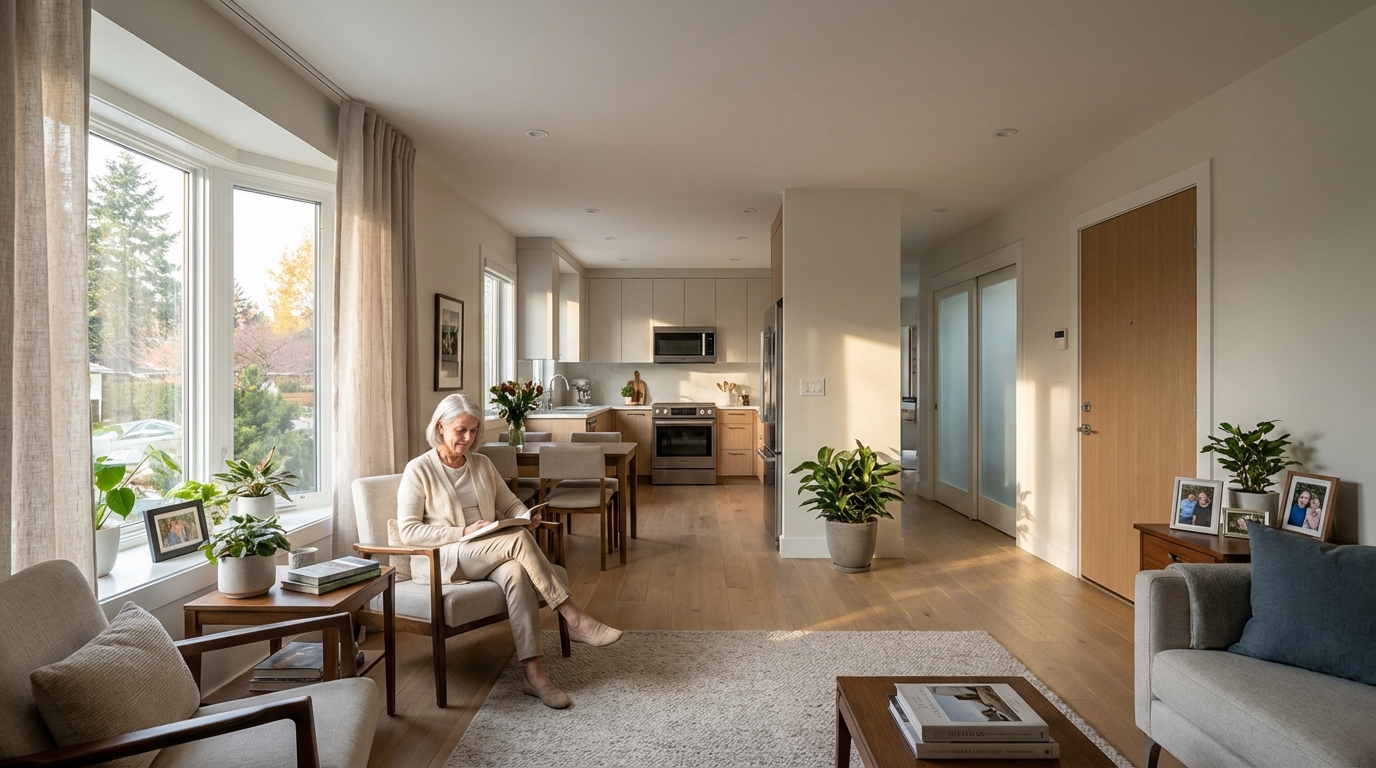
Modern multi-generational suites prioritize personal autonomy by incorporating architectural elements that foster a sense of true ownership over one’s space. A private exterior entrance is perhaps the most vital feature, as it allows adult children or aging parents to come and go without disrupting the main household’s rhythm. Inside the suite, a dedicated kitchenette equipped with a sink, microwave, and small refrigerator provides the freedom to prepare meals independently. These design choices transform a spare room into a self-contained sanctuary that respects the dignity and lifestyle of every family member. By creating these clear physical boundaries, families can enjoy the emotional benefits of proximity while avoiding the friction of constant oversight.
Privacy extends beyond physical barriers to include the invisible comfort of acoustic separation and thoughtful layout planning. High-quality soundproofing within walls and subflooring is essential to ensure that late-night television or early morning routines do not disturb those in the adjacent living areas. Many modern floor plans also utilize buffer zones, such as shared laundry rooms or walk-in closets, to create distance between the suite and the primary living quarters. En-suite bathrooms and individual climate control systems further empower residents to manage their own environment according to their personal preferences. These intentional details make it possible for different generations to share a roof while maintaining the lifestyle standards they would enjoy in a standalone home.
The successful integration of these suites serves as a practical solution to the modern housing crisis by offering a flexible alternative to traditional senior living or high-rent apartments. When a suite is designed with accessibility in mind, such as wider doorways and zero-entry showers, it ensures that the space remains future-proof for aging parents over the long term. For adult children, having a separate living area provides a professional environment for remote work and a private place to host friends. This architectural approach balances the desire for deep family connection with the human need for personal space and independence. Ultimately, a well-designed multi-generational home becomes a valuable asset that supports the changing needs of a family through every stage of life.
Supporting Aging In Place Through Suites
Multi-generational living suites offer a sophisticated solution for families seeking to balance independence with the need for close-knit support. These thoughtfully designed spaces provide a practical alternative to traditional assisted living by integrating universal design features like curbless showers, wider doorways, and accessible kitchenettes. By incorporating these elements into a single property, families can ensure their aging loved ones remain in a familiar environment while receiving the daily care they require. This proximity fosters emotional well-being and reduces the logistical stress often associated with off-site caregiving. It allows parents to maintain their dignity in a private suite while staying deeply connected to the daily rhythm of family life.
The shift toward these specialized floor plans reflects a growing desire for housing that serves both emotional and financial needs. With Gen X increasingly supporting both aging parents and adult children, these suites provide a flexible sanctuary that adapts to changing life stages. Beyond the immediate practical benefits, this lifestyle choice addresses the modern housing crisis by maximizing the utility of a single property. Families can share resources and responsibilities, creating a sustainable living arrangement that promotes long-term stability. This approach turns the home into a multi-functional space that honors the legacy of older generations while supporting the growth of younger ones.
Investing in a home with a dedicated suite creates a lasting foundation for family resilience and shared memories. These designs prioritize privacy through separate entrances and soundproofing, ensuring that every generation feels they have a space of their own. By removing the physical barriers to aging in place, homeowners can avoid the high costs and emotional toll of institutionalized care. The result is a harmonious living environment where grandparents can participate in their grandchildren’s lives while having a safe, accessible retreat nearby. Ultimately, these suites represent a move toward a more compassionate and integrated way of living that values the presence of every family member.
Emotional Benefits Of Multi-Generational Proximity
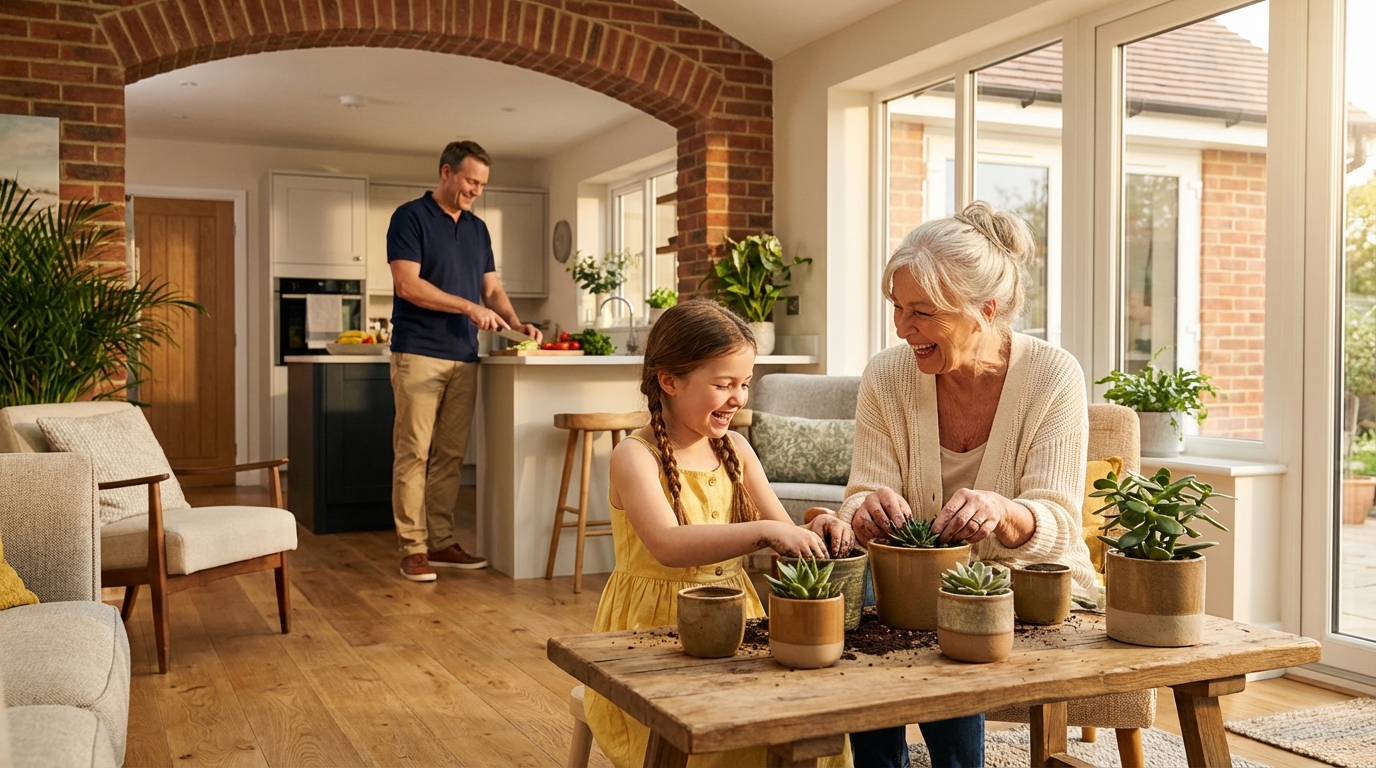
The shift toward multi-generational living suites represents a profound transition from viewing housing as a mere financial asset to treating it as the foundation for deeper family connections. By housing elderly parents or adult children on the same property, families are discovering a lifestyle that prioritizes emotional support and immediate proximity over traditional, isolated living arrangements. This setup naturally bridges the gap between generations, allowing for spontaneous interactions that foster stronger bonds and a shared sense of purpose. Grandparents can pass down family stories and wisdom in daily settings, while younger family members offer a sense of energy and continuity. These suites provide the necessary balance of privacy and togetherness, ensuring that every family member feels valued and included in the household rhythm.
Beyond the emotional closeness, these living arrangements offer practical solutions to the modern challenges of childcare and social isolation. Having a built-in support system allows parents to share the responsibilities of raising children with grandparents who are eager to be involved, creating a nurturing environment for the youngest generation. For aging family members, living in a dedicated suite on the same property significantly reduces the risks of loneliness and depression often associated with living alone. This proximity ensures that help is always nearby if a medical need arises, providing peace of mind for everyone involved. Ultimately, the move toward multi-generational living is a proactive response to the housing crisis that prioritizes human connection and collective well-being.
Future-Proofing Your Home and Family Finances
Investing in a multi-generational living suite represents a forward-thinking strategy that addresses both the emotional and financial challenges of the modern housing market. By creating a dedicated space for aging parents or adult children, families can pool their resources to combat rising living costs while maintaining a high level of individual privacy. This arrangement offers a practical solution to the housing crisis, turning a single property into a versatile asset that supports the entire family tree. Beyond the immediate financial relief, these suites provide a safety net that ensures no family member is left to navigate economic uncertainty alone.
The true value of these specialized living spaces lies in the profound sense of connectivity and mutual support they foster between generations. Having grandparents nearby allows for natural caregiving opportunities and the passing down of family wisdom, while adult children can save for their own futures without the burden of high external rents. This configuration transforms the home from a simple residence into a sanctuary of shared experiences and strengthened bonds. It eliminates the logistical hurdles of long-distance caregiving and replaces them with daily moments of interaction that enrich the lives of both the young and the old.
Looking toward the future, a home equipped with a multi-generational suite is a resilient investment that adapts to the changing needs of a family over several decades. As demographic trends continue to shift toward shared households, these properties remain highly desirable and functional in any real estate climate. They offer a legacy of stability, ensuring that the home remains a central hub for family activity and support for years to come. Ultimately, choosing to build a backyard ADU or exploring financing options for multi-generational living is a commitment to the long-term well-being and unity of your loved ones. Partnering with a professional ADU contractor ensures that your expansion meets all local building codes and quality standards for a seamless transition.
Frequently Asked Questions
1. What exactly is a multi-generational living suite?
These are specialized floor plans designed to accommodate multiple generations under one roof while maintaining individual privacy. They typically feature their own private entrances, kitchenettes, and living areas to ensure personal autonomy within a shared family home.
2. How can a multi-generational suite help my family save money?
You can significantly reduce your collective expenses by consolidating mortgage payments, property taxes, and utility bills into a single property. This arrangement allows your family to build equity in a shared asset rather than spending wealth on separate rental payments or multiple high interest loans.
3. Why are these suites becoming so popular in the current housing market?
Rising economic costs and the complex demands of caregiving are driving families to seek more practical housing solutions. In 2024, nearly one-fifth of home purchases were motivated by the need for shared space, as families look to pool resources for a higher quality of life.
4. Are these living arrangements beneficial for aging parents?
Yes, these suites provide a vital safety net for seniors who may be struggling with the housing crisis or require extra support. They offer a sophisticated balance of independence and proximity, allowing you to provide care without the high costs of assisted living facilities.
5. How do multi-generational suites impact the resale value of a home?
Investing in an integrated family suite increases your property’s long-term market appeal and resale value. As more buyers seek versatile living arrangements, your home becomes a highly desirable asset in a changing real estate environment.
6. What role does Generation X play in this housing trend?
Generation X is currently leading this movement as they balance the needs of aging parents and adult children returning home. By choosing a multi-generational design, you can foster deeper emotional bonds while managing the practical flexibility required by your family’s unique situation.