
The foundation of your Accessory Dwelling Unit is more than just a base; it is the structural anchor that dictates your project’s total cost, energy performance, and long-term durability. Navigating various adu foundation types requires a clear understanding of local soil conditions and climate requirements. Choosing the right support system ensures your new living space remains level and dry for decades to come.
Whether you are building on a flat suburban lot or a sloped backyard, the choice between a slab-on-grade or a crawl space will impact your budget and utility access. A concrete slab offers a cost-effective, streamlined solution for level ground, while an elevated crawl space provides vital protection against moisture and easier maintenance for plumbing and HVAC systems. Prioritizing the right engineering at the start prevents expensive structural issues and maximizes the value of your investment.
Key Takeaways
- Prioritize a professional site assessment early to match the foundation type to local soil composition, frost lines, and topography, preventing expensive structural shifts and long-term damage.
- Select a slab-on-grade foundation for level sites to minimize labor and material costs, or utilize frost walls in cold climates to anchor the structure below the frost line and prevent seasonal ground heaving.
- Use crawl space or pier-and-beam foundations for sloped or moisture-prone terrain to ensure structural stability, protect against rot, and provide easy access for future utility maintenance.
- Invest in a subterranean basement foundation to maximize square footage and property value without increasing the unit’s footprint, while benefiting from the natural insulation and energy efficiency of the earth.
Comparing Slab On Grade And Frost Walls
Choosing between a slab on grade and a frost wall foundation is one of the first major technical decisions you will face during the ADU planning phase. A slab on grade is often the most cost-effective solution for level sites because it combines the structural foundation and the finished floor into a single concrete pour. This streamlined approach reduces labor hours and material transport costs, making it a favorite for budget conscious homeowners. However, while the upfront savings are attractive, this foundation type requires a stable and well drained site to ensure long term performance. In many regions, the simplicity of a slab must be balanced against the specific geological demands of your property.
In colder climates, the technical necessity of a frost wall becomes a non negotiable engineering requirement to protect your investment. These walls extend below the local frost line, typically four feet deep, to ensure the ADU rests on soil that will not freeze and expand. Without this deep perimeter, the natural cycle of soil heaving can cause significant structural cracking or unlevel floors as the ground shifts during winter months. While adding a frost wall increases the initial excavation and concrete costs, it provides the essential stability needed for heavy structures in volatile environments. Professional engineering teams prioritize these deep footings to prevent the costly repairs associated with seasonal ground movement.
The final selection depends heavily on a detailed analysis of your local soil conditions and local building codes. While a slab on grade offers a sleek and modern look with lower vertical profiles, it may not be permissible in areas prone to deep freezes without integrated frost protection. Advanced site preparation can sometimes mitigate minor terrain issues, but complex soil conditions often dictate a more robust foundation strategy. Investing in a professional site assessment early on allows you to understand these subterranean requirements before construction begins. By matching the foundation type to the specific demands of your land, you ensure that your ADU remains a durable and high value asset for decades to come.
Crawl Space Foundations For Utility Access
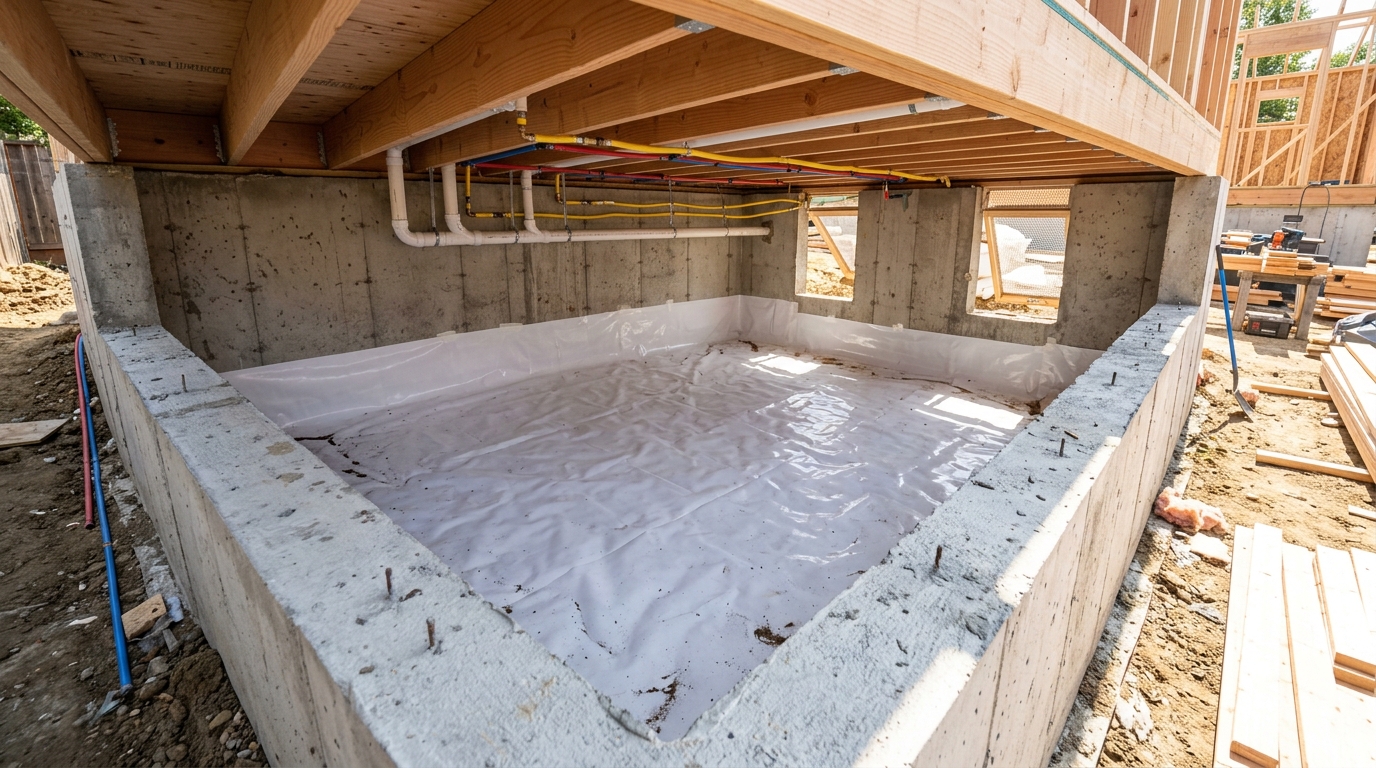
Crawl space foundations offer a strategic advantage for ADU projects located on uneven terrain or in regions prone to high soil moisture. By elevating the structure between 18 and 44 inches off the ground, this foundation type creates a protective buffer that prevents ground-level dampness from affecting the living space. This elevation is particularly beneficial for site preparation on complex lots where a standard slab might require extensive and costly grading. Engineering a crawl space allows for greater flexibility in managing structural stability while ensuring the ADU remains high and dry.
The primary functional benefit of this foundation style is the dedicated utility access zone it creates beneath the floorboards. This accessible area provides ample clearance for the installation and maintenance of plumbing, electrical conduits, and HVAC ductwork. Unlike slab foundations where pipes are embedded in concrete, a crawl space allows technicians to perform repairs or upgrades without invasive demolition. This long term accessibility can significantly reduce future maintenance costs and simplify the integration of modern mechanical systems.
Choosing a crawl space foundation is an excellent move for homeowners who prioritize long term serviceability and structural resilience. While it may involve a higher initial investment than a simple slab, the added protection against moisture related issues like rot or mold is invaluable. This foundation type also offers a slightly softer walking surface compared to concrete, which enhances the overall comfort of the interior environment. For ADUs built in the coming years, incorporating these engineered solutions ensures the unit remains adaptable to evolving building codes and utility requirements.
Pier And Beam Solutions For Sloped Terrain
Building an ADU on a hillside or uneven lot requires an engineering approach that prioritizes structural integrity without the high costs of extensive earthwork. Pier and beam foundations are the premier solution for these challenging environments because they allow the structure to sit above the natural grade. By utilizing concrete piers deeply anchored into stable soil or bedrock, this method effectively transfers the weight of the ADU downward rather than relying on the surface slope. This strategy minimizes the need for massive excavation and expensive retaining walls, which are often required for traditional slab foundations. Homeowners can preserve the natural landscape while ensuring their new living space remains perfectly level and secure.
The technical advantages of this foundation type extend to long term site management and moisture control. Because the ADU is elevated, the natural flow of rainwater is not obstructed, which prevents the hydrostatic pressure buildup that often plagues structures on sloped land. This elevation also creates a convenient crawl space that provides easy access to plumbing and electrical systems for future maintenance or upgrades. In areas with expansive clay or unstable topsoil, the piers can be engineered to bypass problematic layers entirely. This targeted approach offers a level of precision that protects the investment against soil shifting and foundation settling over time.
Selecting a pier and beam system during the early planning stages can significantly streamline the permitting and construction timeline for complex lots. It positions the project as a sophisticated engineering feat that respects the existing topography rather than fighting against it. This method is particularly beneficial for those looking to create the perfect backyard studio apartment on land that might otherwise be deemed unbuildable. By focusing on specialized foundation techniques, property owners can overcome geographical limitations while maintaining a high standard of safety and durability. Expertly designed pier systems provide the peace of mind that the ADU will remain a permanent, stable addition to the home for decades to come.
Subterranean Basements And Full Foundation Engineering
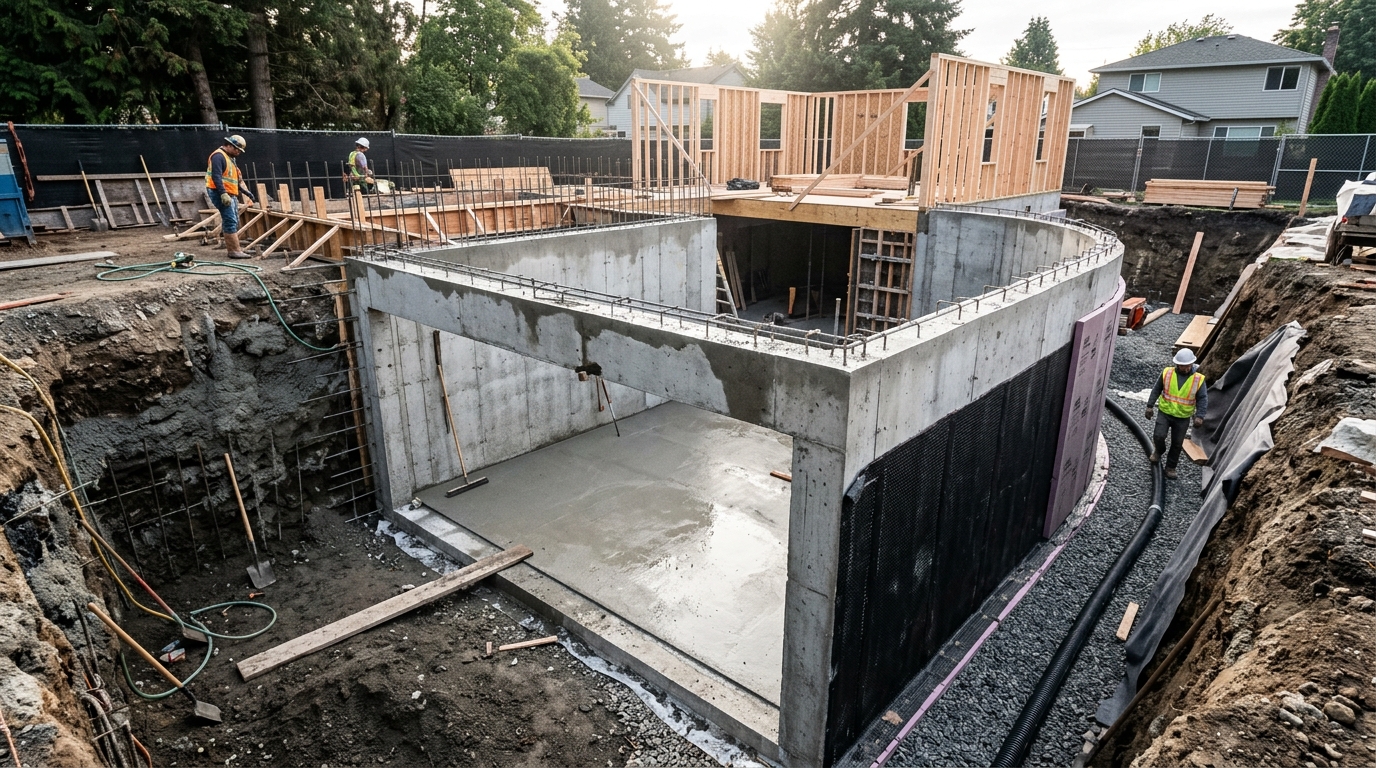
Excavating a subterranean basement for an Accessory Dwelling Unit represents one of the most sophisticated engineering feats in modern residential development. This approach is particularly effective for homeowners looking to maximize their property’s square footage without expanding the ADU’s physical footprint on the surface. By utilizing the vertical space beneath the ground, you can effectively double the livable area of the unit, creating room for additional bedrooms, home offices, or media centers. While the initial investment is higher than a standard slab, the massive increase in total floor area often results in a significant boost to the overall property value. Professional engineering ensures your multi-level design is both structurally sound and highly functional.
The technical execution of a full basement foundation requires precise site analysis and advanced soil stabilization techniques. Engineers must account for hydrostatic pressure, local water tables, and specific soil compositions to ensure the subterranean walls remain dry and stable for decades. Proper drainage systems and high-grade waterproofing membranes are integrated into the foundation design to prevent moisture intrusion and protect the structural integrity of the unit. This level of planning is essential for managing complex terrain or challenging lot conditions where traditional foundations might fail. By addressing these environmental factors early in the planning stage, risks are mitigated to provide a secure base for a high-end, multi-story ADU. Understanding what are the benefits of such a robust foundation helps justify the initial excavation costs through long-term property appreciation.
Choosing a full basement foundation positions your project as a premium asset that stands out in the competitive real estate market. This foundation type offers superior energy efficiency due to the natural insulating properties of the earth, which helps maintain consistent indoor temperatures year-round. Beyond the thermal benefits, the added square footage provides a versatility that smaller, single-story units simply cannot match. Investing in this level of engineering demonstrates a commitment to quality and long-term durability, ensuring the ADU serves as a lasting legacy on your property. Expertise in handling these intricate builds allows for the transformation of challenging sites into valuable, multi-functional living spaces.
Matching ADU Foundations to Site Conditions
Selecting the right foundation for your ADU is more than just a structural requirement, as it serves as the essential bridge between your architectural vision and the physical realities of your land. By carefully matching foundation types to specific site topography and detailed soil reports, you can prevent the costly structural shifts that often plague poorly planned projects. Whether your site demands a robust slab on grade for level terrain or a more complex pier and beam system for sloped areas, making an informed choice ensures your investment remains stable for decades. Engineering expertise during this early phase transforms potential site liabilities into manageable technical solutions.
Strategic site preparation directly influences your overall construction budget by eliminating the need for expensive mid project corrections. When soil conditions and frost lines are correctly identified in the planning stages, you can avoid the over engineering that leads to unnecessary material costs. A well chosen foundation also streamlines the installation of critical utilities like plumbing and electrical systems, which can significantly reduce labor expenses. Prioritizing this technical alignment demonstrates a commitment to quality that protects both the structure and your financial resources.
Ultimately, the durability of an accessory dwelling unit depends on how well it interacts with the ground beneath it. Working with an ADU builder to analyze soil density and moisture levels allows for a tailored approach that mitigates the risks of settling or water damage. This proactive strategy provides peace of mind, knowing that the foundation is specifically designed to handle the unique environmental stresses of your property. By focusing on these engineering fundamentals today, you secure the long term value and safety of your ADU for the future.
Frequently Asked Questions
1. What is the most cost effective foundation for a level site?
A slab on grade is typically the most budget friendly option for level ground because it combines the structural base and finished floor into one concrete pour. This method significantly reduces labor hours and material transportation costs during the initial build phase.
2. When should I choose a crawl space over a concrete slab?
You should opt for a crawl space if you need easier access to plumbing and HVAC systems for future maintenance or if you are building on a site with moisture concerns. This elevated design provides a protective buffer that keeps your living space dry and allows for simpler utility repairs.
3. Why are frost walls necessary in colder climates?
Frost walls are an essential engineering requirement in cold regions because they extend below the frost line to prevent the ground from shifting during freeze and thaw cycles. This protection ensures your ADU rests on stable soil, preventing structural cracks and long term damage caused by frost heave.
4. How do soil conditions affect my foundation choice?
Your local soil composition dictates whether a site can support a simple slab or requires more intensive engineering. Stable, well drained soil is ideal for slab on grade, while expansive or poor quality soils may necessitate deeper footings or specialized support systems to maintain structural integrity.
5. Can I build an ADU on a sloped backyard?
Building on a slope is entirely possible, but it usually requires a specialized foundation like a raised crawl space or a stepped footing design. These systems allow you to create a level living surface while properly managing the natural grade and drainage requirements of your property.
6. Does the foundation type impact the energy performance of my ADU?
The foundation plays a critical role in your unit’s thermal envelope and overall energy efficiency. Selecting the right insulation and foundation style for your specific climate helps regulate indoor temperatures and reduces the long term costs of heating and cooling your new space.
When deciding between a prefab vs stick-built ADU, the foundation remains the critical starting point for both methods to ensure long-term stability.