
Unlocking the potential of your property with a secondary suite is more attainable than ever. As governments roll out new incentives to combat housing shortages, understanding your adu financing options is the first step toward increasing your home’s value and generating passive income. Whether you are looking to house an aging parent or create a rental stream, the current financial environment offers significant flexibility.
Modern lending has shifted to meet the demand for missing middle housing, providing paths that cater to both high-equity homeowners and those just starting out. From leveraging your home’s current value through flexible lines of credit to securing specialized construction loans, the right strategy depends on your specific budget and build timeline. Selecting the appropriate vehicle ensures your project remains a profitable investment rather than a financial burden.
Key Takeaways
Homeowners with high equity can utilize HELOCs for flexible, phase-based funding or cash-out refinancing to secure a single, stable fixed-rate payment.
Specialized renovation loans like the FHA 203k and Fannie Mae HomeStyle allow you to borrow against the property’s projected future value rather than its current equity.
Government grants and ‘missing middle’ housing incentives provide non-repayable funds and tax credits that significantly reduce the total debt load for building secondary suites.
Prefabricated and modular units offer streamlined alternative financing through manufacturer-lender partnerships or personal loans that bypass traditional mortgage closing costs.
Leveraging Home Equity Through HELOCs And Cash Out Refinancing
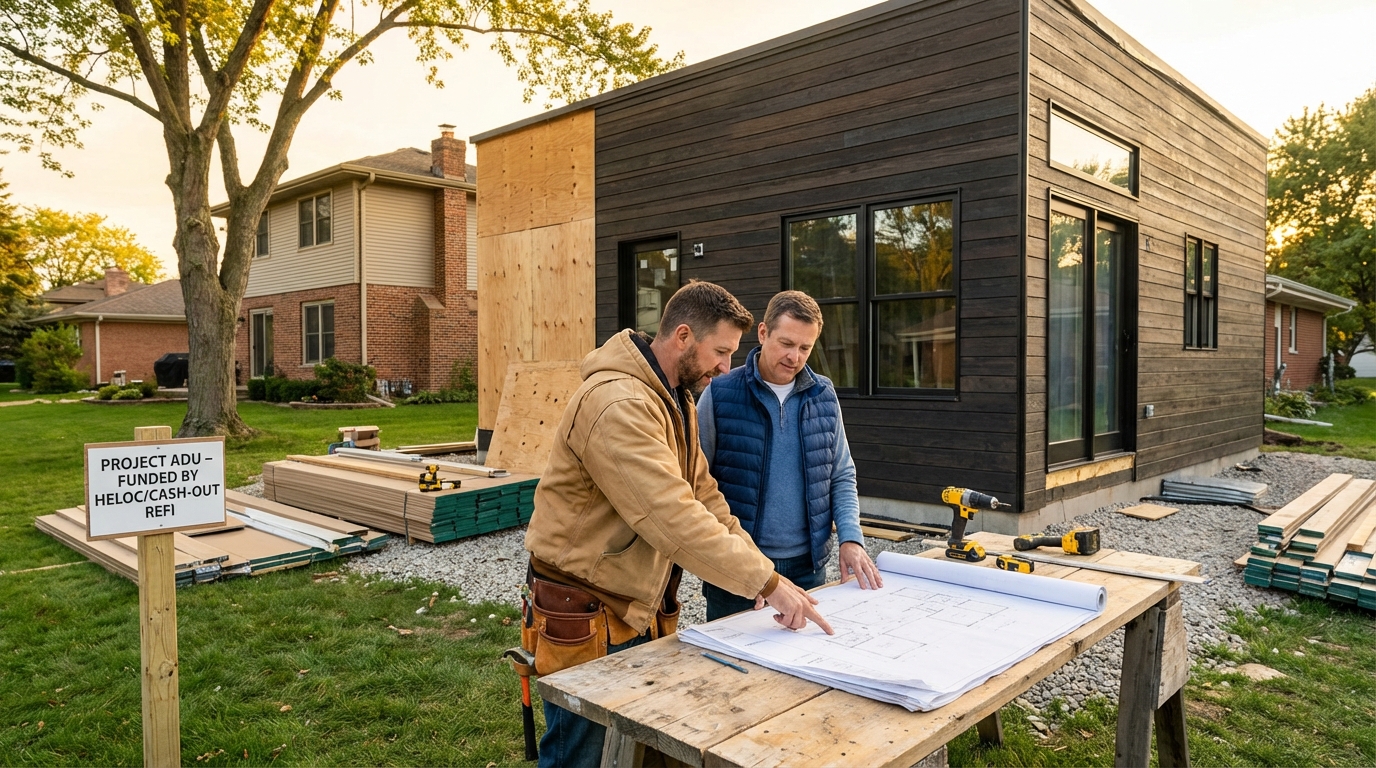
For homeowners with significant equity, a Home Equity Line of Credit (HELOC) serves as one of the most versatile tools for funding an accessory dwelling unit. This option functions like a credit card secured by your home, allowing you to draw funds only when needed to pay contractors or purchase materials during different phases of construction. Because you only pay interest on the amount you have actually spent, a HELOC can significantly reduce your carrying costs during the early stages of the build. It is often the fastest financing route to secure, making it an excellent choice for those who want to start their project without the long wait times associated with traditional construction loans.
A cash out refinance offers a different strategic advantage by providing long term rate certainty through a single fixed monthly payment. By replacing your existing mortgage with a new, larger loan, you can access a lump sum of cash to cover the entire cost of the ADU upfront. This approach is particularly attractive when current mortgage rates are favorable or when you prefer the stability of a predictable payment schedule over several decades. It simplifies your financial planning by consolidating your primary home debt and your ADU investment into one manageable loan.
Strategic financing is the most critical step in moving from the design phase to actual construction. Leveraging your property value allows you to transform dormant equity into a high performing asset that generates rental income or increases your total property value. Whether you choose the flexibility of a line of credit or the stability of a refinanced mortgage, these equity based adu financing options provide the necessary capital to overcome the primary barrier to entry. By carefully evaluating your current equity and long term financial goals, you can select the funding path that best supports your vision for a new living space.
Financing Future Value With Renovation And Construction Loans
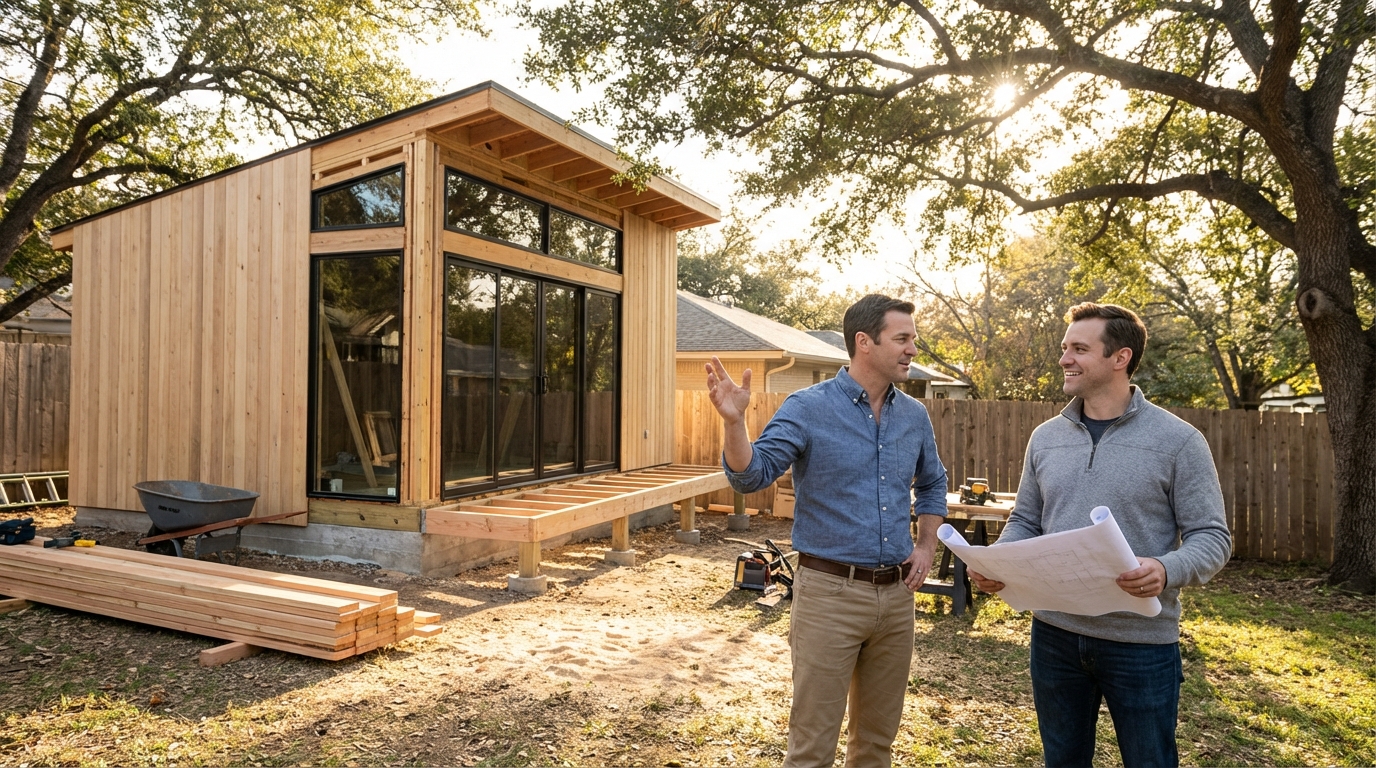
Renovation and construction loans represent a strategic breakthrough for homeowners who lack the immediate equity required for traditional financing. Unlike standard home equity lines of credit that rely on your property’s current market value, specialized products like the FHA 203k and Fannie Mae HomeStyle loans are based on the projected future value of the home once the ADU is completed. This after-repair value approach allows you to borrow against the future wealth your property will generate, effectively bridging the gap between your current financial standing and your construction goals. By accounting for the benefits of ADU construction, these loans provide the necessary capital to cover high-end materials and professional labor costs from the start.
Selecting the right future-value loan requires an understanding of how these programs integrate with your long-term financial planning. The FHA 203k loan is often favored by those seeking lower down payment requirements, while the Fannie Mae HomeStyle program offers more flexibility for secondary residences or investment properties. Both options involve a detailed oversight process where funds are released in stages to contractors as specific construction milestones are met. This structured approach protects the homeowner by ensuring that the work is completed to professional standards before the full loan amount is disbursed. Utilizing these products transforms the ADU from a distant dream into a manageable project by leveraging the very asset you are working to improve.
Government Grants And New Missing Middle Housing Incentives
Legislative shifts have fundamentally changed the financial environment for homeowners looking to add secondary suites to their properties. Governments are increasingly recognizing that missing middle housing is essential for urban density, leading to the rollout of substantial non-repayable grants and forgivable loans. These programs often target specific demographics, such as homeowners building suites for seniors or low-income tenants, effectively reducing the total debt load required for construction. By tapping into these public funds, you can offset a significant portion of your initial capital expenditures without the burden of monthly interest payments.
Many new initiatives specifically focus on streamlining the approval process while providing low-interest financing that traditional banks might not offer. For instance, recent regional incentives allow property owners to access specialized construction vouchers or tax credits that directly lower the cost of materials and labor. These incentives are designed to bridge the gap between a homeowner’s available equity and the total project cost, making ADUs a viable reality for those who were previously priced out of the market. Staying informed about these local and federal updates ensures you do not leave thousands of dollars on the table during your build.
Navigating these grant programs requires a strategic approach to ensure your ADU design meets the specific criteria for missing middle housing. Most of these financial incentives are tied to sustainability goals or density requirements, meaning your project may need to include energy-efficient features or specific square footage limits to qualify. Integrating these requirements early in the planning phase allows you to stack multiple funding sources, combining government grants with traditional financing like HELOCs. This multi-layered strategy provides a robust financial foundation, allowing you to add a granny flat to your backyard space while maximizing your long-term return on investment.
Alternative Funding Strategies For Prefab And Modular Units
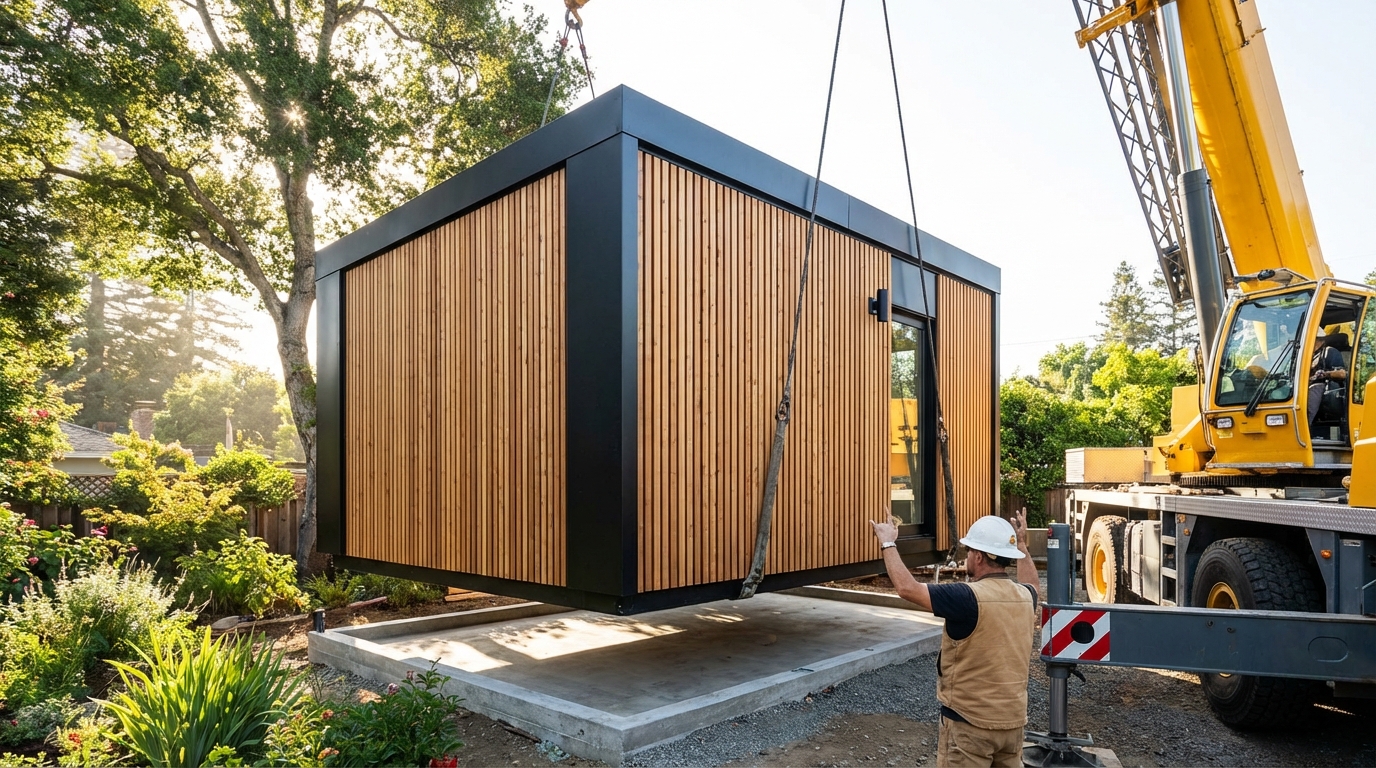
When opting for prefabricated or modular ADU models, homeowners can often access specialized financing programs through direct lender partnerships. Many prefab manufacturers have established relationships with financial institutions that understand the unique appraisal process for factory built units. These lenders often offer streamlined approval processes because they are familiar with the specific product, timeline, and cost structure of the prefab company. This synergy can significantly reduce the soft cost hurdles and appraisal gaps that sometimes plague traditional ground-up construction projects.
Personal loans and specialized equipment financing represent another flexible path for those who may not want to tap into their home equity immediately. Because modular units are built off-site and delivered as a completed product, some lenders treat the purchase more like a high-end consumer asset rather than a standard renovation. These unsecured loan options typically offer faster funding cycles and require less paperwork than a traditional mortgage or construction loan. This approach is particularly effective for homeowners who have strong credit scores and want to avoid the closing costs associated with refinancing their primary residence.
The integration of these alternative funding strategies allows for a more predictable financial roadmap from the design phase to the final installation. By leveraging manufacturer-backed financing or specialized personal lines of credit, you can maintain your primary mortgage’s low interest rate while still securing the capital needed for your ADU. These options provide a critical bridge for homeowners who are ready to build but need a financing structure that mirrors the speed and efficiency of modular construction. Selecting the right partnership ensures that your investment remains protected while maximizing the long-term value added to your property.
Choosing the Right Financing for Your ADU
Securing the right financing is the final hurdle in transforming your backyard vision into a functional reality. Whether you leverage a Home Equity Line of Credit for its flexibility or opt for a cash out refinance to lock in a single fixed payment, your choice should align with your long term financial goals. Construction loans remain a powerful tool for those undertaking significant builds, as they allow you to borrow against the future value of the completed secondary suite. By understanding these diverse pathways, you can confidently move past the initial barrier of high construction costs.
The availability of secondary housing finance has improved significantly in recent years due to new government incentives and specialized lending programs. Homeowners today have more options than ever to bridge the gap between their current equity and the total cost of development. It is essential to evaluate your specific budget and project timeline before committing to a specific loan structure. Knowing how to choose the right ADU construction company is equally important, as their expertise can help you navigate these complex financial requirements. Taking the time to compare interest rates and repayment terms ensures that your new investment remains a profitable asset for years to come.
Ultimately, the best financing strategy is one that balances immediate cash flow needs with long term debt management. Builders are increasingly turning to a combination of personal equity and government backed grants to offset rising material costs. As you finalize your plans, remember that an accessory dwelling unit is more than just an expense, it is a strategic investment in your property value. With the right funding in place, you are ready to break ground and unlock the full potential of your home.
Frequently Asked Questions
1. What is the most flexible way to pay for ADU construction costs as they arise?
A Home Equity Line of Credit (HELOC) is your most versatile option because it allows you to draw funds only when needed for specific project phases. You will only pay interest on the amount you have actually spent, which helps keep your carrying costs low during the early stages of the build.
2. How can I secure a fixed interest rate for my ADU project?
A cash out refinance is the best strategy if you want long term rate certainty through a single fixed monthly payment. By replacing your existing mortgage with a larger loan, you receive a lump sum of cash that simplifies your budgeting and protects you from future interest rate fluctuations.
3. Are there specific loans designed for building an ADU from scratch?
Yes, specialized construction loans are available to help you bridge the gap between your current home value and the future value of your property once the ADU is finished. These loans are tailored to the build timeline and often transition into a traditional mortgage once the certificate of occupancy is issued.
4. Can I finance an ADU if I do not have much equity in my home yet?
Modern lending has evolved to support the missing middle housing market, offering paths even for those who are just starting out. You can explore renovation loans or government backed incentives that prioritize the creation of new housing units regardless of your current equity position.
5. Why is this a good time to look into ADU financing?
Governments have introduced new incentives and programs to combat housing shortages, making financing more attainable than ever. These new policies have encouraged lenders to create more flexible products that cater specifically to homeowners looking to build secondary suites.
6. Will building an ADU actually increase my property value?
Adding a secondary suite is a proven method for increasing your home’s total value while simultaneously generating passive rental income. When you select the right financing vehicle, the project becomes a profitable long term investment that pays for itself through increased equity and monthly cash flow.