
The era of the “slapped-on” home extension has officially come to an end, replaced by a new standard of architectural integrity. Today’s homeowners are prioritizing a seamless home addition architectural style that honors the history of the original structure while expanding its potential. Whether you are seeking more square footage or a modern lifestyle upgrade, the goal is to create a space that feels like it was part of the blueprint from day one.
Modern design philosophies have shifted toward intentionality, moving away from mismatched materials and awkward transitions. You can choose to perfectly match and mirror every historical detail or opt for a transitional approach that bridges the gap between classic proportions and contemporary finishes. By focusing on window rhythms, roof pitches, and material continuity, you ensure your new investment enhances both the beauty and the value of your property.
Key Takeaways
- Achieving a seamless home addition requires a disciplined ‘match and mirror’ approach that replicates the original roof pitch, window rhythms, and material textures to ensure the expansion looks like part of the initial blueprint.
- Transitional design bridges the gap between historic exteriors and modern lifestyles by maintaining original proportions while introducing updated finishes and larger glass spans for a natural architectural evolution.
- Intentional contrast through bold modern additions can successfully honor a traditional home by establishing a clear visual hierarchy and using connective corridors to separate different eras of design.
- Precise foundation alignment and the rhythmic continuity of horizontal trim lines are essential for preserving curb appeal and preventing the addition from looking like a disconnected afterthought.
Matching And Mirroring Original Architectural Elements
Achieving a truly seamless home addition requires a disciplined commitment to the “match and mirror” philosophy, ensuring the new structure never feels like a secondary afterthought. This process begins with an exacting study of the original roof pitch, as replicating the specific pitch and overhang is the most effective way to maintain a cohesive silhouette. By utilizing the same shingle textures and gutter profiles, the addition blends into the existing roofscape without creating jarring visual breaks. When these structural lines align perfectly, the expansion looks like an intentional part of the initial construction rather than a modern bolt-on.
Beyond the roofline, the rhythm and placement of windows play a vital role in preserving the architectural integrity of your home. To create an invisible integration, designers must carefully replicate the scale, casing details, and even the muntin patterns of the original glazing. This consistency ensures that the visual heartbeat of the house remains steady as your eye moves from the old section to the new. When window heights and spacing are mirrored precisely, the addition feels balanced and natural, successfully avoiding the common pitfall of mismatched glass proportions.
The final layer of a flawless integration lies in the tactile details of material textures and masonry techniques. Whether your home features specific brick coursing, unique siding reveals, or hand-applied stucco finishes, matching these elements requires a high level of craftsmanship and attention to detail. This includes sourcing reclaimed materials or custom-tinting new finishes to account for the natural weathering of the original facade. By prioritizing these subtle nuances of texture and color, the transition between eras becomes indistinguishable, providing homeowners with a sophisticated and unified living space.
Transitional Design Languages For Modern Living
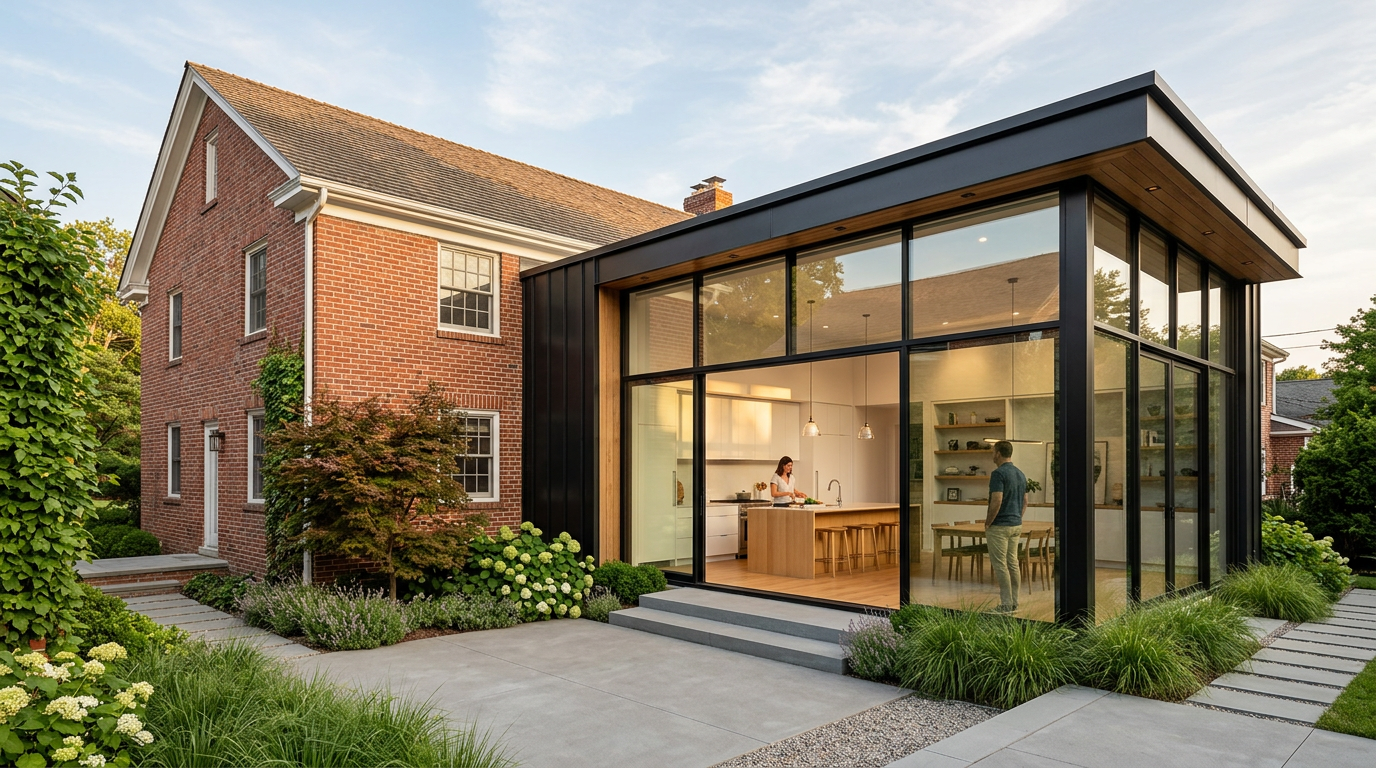
Bridging the gap between a historic exterior and a modern lifestyle requires a sophisticated design language that respects the past while embracing the present. Transitional design is the ideal solution for homeowners who want their new addition to feel like a natural evolution rather than a jarring departure. By maintaining the home’s primary proportions and rooflines, the new structure anchors itself to the original architecture through scale and silhouette. This transitional approach ensures the expansion does not look like an afterthought, but rather a seamless continuation of the property’s story. It allows for the introduction of larger windows or open floor plans that the original builders could not have envisioned.
The beauty of a transitional addition lies in the subtle update of finishes and details that modernize the aesthetic without clashing with heritage elements. You might choose to simplify ornate trim or select a contemporary version of the original siding material to create a visual bridge between eras. These intentional choices provide a cleaner, more streamlined look that feels fresh and relevant for 2025. By focusing on a shared color palette and consistent material quality, the transition becomes an exercise in harmony. This method preserves the soul of the historic home while providing the high performance and functionality of new construction.
Highly intentional modern design philosophies prioritize invisible integration, where the goal is for the addition to appear as if it has always been there. Achieving this requires a deep understanding of architectural rhythm, such as the spacing of windows and the specific pitch of the gables. When these foundational elements are mirrored, the designer has the freedom to experiment with modern interior layouts and updated fixtures. This balance creates a home that honors its history while fully supporting a contemporary way of living. Ultimately, a successful transitional addition enhances the property’s value by proving that classic charm and modern utility can coexist beautifully.
Intentional Contrast Through Bold Modern Additions
Choosing an intentional contrast through a modern addition is a sophisticated way to respect a traditional home while expanding its functionality. This approach avoids the common pitfall of a poorly matched replica that looks like an afterthought by establishing a clear, deliberate visual hierarchy. By utilizing a distinct design language for the new structure, homeowners can celebrate the history of the original house while embracing contemporary living standards. The key to success lies in the architectural dialogue created between the two styles, ensuring that the addition feels like an evolution rather than a distraction. This method allows for larger windows and open floor plans that might otherwise clash with a historic facade.
The secret to making a bold modern addition feel unified with a traditional property is maintaining a balanced scale and proportion. Even when materials and rooflines differ, the new structure should respect the rhythm and massing of the existing architecture to avoid overwhelming it. Architects often achieve this by using a connective corridor or a recessed link, which provides a physical and visual transition between the eras. This separation allows each style to stand on its own merits while remaining part of a cohesive master plan. When the height and footprint are carefully calibrated, the addition serves as a high end companion that enhances the overall character of the estate.
Intentional contrast also offers a unique opportunity to use premium materials that bridge the gap between old and new. For example, a sleek glass and steel expansion can highlight the texture of original stonework or brick by providing a clean, minimalist backdrop. This design philosophy ensures that every element of the expansion is purposeful, moving away from the era of mismatched, slapped on units. Homeowners who choose this path demonstrate a commitment to high level design that values both heritage and innovation. The result is a home that feels complete and thoughtfully curated, proving that two different styles can coexist beautifully when executed with expert precision.
Preserving Curb Appeal Through Foundation Alignment
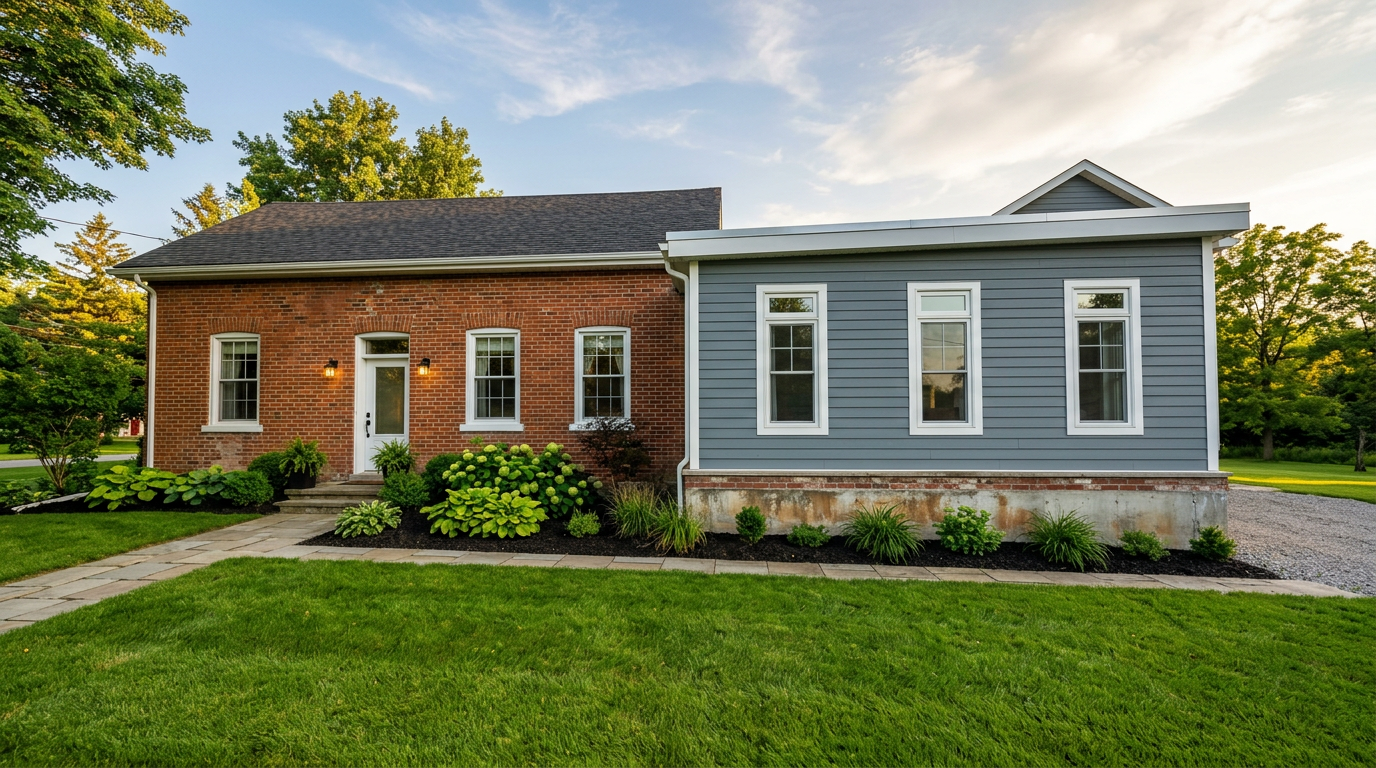
Achieving a seamless transition between an original structure and a new expansion requires a meticulous focus on foundation alignment and visual gravity. When an addition sits too high or too low compared to the existing home, it creates a jarring disconnect that immediately identifies the project as an afterthought. By precisely matching the finished floor levels and the exterior foundation heights, designers ensure the new wing feels anchored to the site in the same way as the primary residence. This structural continuity serves as the essential baseline for preserving the home’s architectural integrity and curb appeal.
Beyond the groundwork, the rhythmic continuity of siding patterns and horizontal trim lines is what truly creates the illusion of a single, unified building. If the courses of clapboard, brick, or stone do not line up perfectly where the old meets the new, the resulting visual break can be a constant distraction. Expertly matching these patterns involves more than just using the same materials; it requires a deep understanding of the original craftsmanship and scale. When these horizontal elements flow uninterrupted across the entire facade, the addition transcends being a mere attachment and becomes a natural evolution of the home.
Modern design philosophies in 2025 emphasize this invisible integration to protect the long term value and character of the property. Whether you are pursuing a perfect match and mirror approach or a transitional update, maintaining the site specific character remains the top priority. A well executed addition should look as though it was part of the architect’s initial vision rather than a secondary unit slapped onto the side. By prioritizing these subtle details of alignment and proportion, homeowners can successfully bridge the gap between different eras of construction while maintaining a cohesive aesthetic.
Choosing a Harmonious Architectural Vision
Ultimately, selecting the right architectural style for your home addition is about more than just adding square footage, as it is an investment in the long term integrity of your property. By prioritizing a design philosophy that honors the original structure, you ensure that the new expansion feels like a natural evolution rather than an awkward afterthought. Whether you choose to perfectly mirror existing details or opt for a transitional approach with updated finishes, the goal remains the same. A well executed design maintains the visual flow of your home, preventing the disconnected look that often devalues residential renovations. This intentionality ensures that your home remains a cohesive masterpiece that stands the test of time.
Achieving aesthetic harmony requires a deep understanding of scale, proportion, and material consistency to bridge the gap between old and new. When an addition is designed with professional expertise, it enhances the curb appeal and market value of the entire estate by creating a seamless transition. Modern trends in 2025 emphasize this invisible integration, where the highest compliment a project can receive is the assumption that it was always there. By focusing on these core design principles, you protect your investment and create a living space that feels balanced and intentional. Your custom house deserves a thoughtful expansion that celebrates its history while providing the modern functionality your family needs. For those looking to maximize existing space, consulting a garage conversion contractor can provide innovative ways to add square footage while maintaining architectural harmony. You can view our completed projects to see how these design principles are applied in real-world transformations.
Frequently Asked Questions
1. What does it mean to match and mirror an architectural style?
Matching and mirroring involves a disciplined commitment to replicating the original roof pitch, window rhythms, and materials of your existing home. This approach ensures that your new addition looks like an intentional part of the initial construction rather than a secondary afterthought.
2. Why is the roofline so important when planning an addition?
The roofline is the most significant factor in maintaining a cohesive silhouette for your property. By utilizing the same shingle textures, gutter profiles, and overhang depths, you prevent jarring visual breaks and ensure the expansion blends perfectly into the existing roofscape.
3. How do windows affect the look of a home expansion?
Windows act as the visual heartbeat of your home, so you must carefully replicate their scale, casing details, and muntin patterns. Maintaining this consistency ensures that the transition between the old and new sections of the house remains invisible to the eye.
4. Can I combine modern finishes with a historical home structure?
Yes, you can opt for a transitional approach that bridges the gap between classic proportions and contemporary finishes. This method allows for a modern lifestyle upgrade while still honoring the history and architectural integrity of the original structure.
5. What are the key elements to focus on for a seamless addition?
You should focus primarily on window rhythms, roof pitches, and material continuity to achieve a seamless result. Paying close attention to these three areas ensures your new investment enhances both the beauty and the market value of your property.
6. How has the philosophy of home extensions changed recently?
Modern design has moved away from mismatched materials and awkward transitions in favor of intentionality and architectural integrity. The era of the slapped-on extension is over, replaced by a standard where every addition feels like it was part of the blueprint from day one.