
Navigating California’s building codes can be the difference between a seamless project and an expensive regulatory headache. As of 2024, understanding adu solar panel laws is essential for any homeowner looking to expand their property under the Title 24 Energy Efficiency Standards. While the state’s push for net-zero living often mandates solar for new builds, the specific requirements depend heavily on the type of unit you are creating.
The rules distinguish sharply between a brand-new detached structure and a creative conversion of your existing space. If you are transforming a garage or an attic into a living suite, you might be exempt from the solar mandate entirely, saving thousands in upfront costs. Knowing exactly where your project falls within these legal frameworks ensures you remain compliant without overspending on unnecessary installations.
Key Takeaways
- California’s Title 24 standards mandate solar photovoltaic systems for all newly constructed detached ADUs to achieve net-zero energy goals.
- Conversions of existing spaces, such as garages, basements, or attics, are generally exempt from solar requirements because they utilize an existing building footprint.
- The required size of a solar array is not universal; it is calculated based on the unit’s specific square footage and the local climate zone.
- Homeowners can use Virtual Net Metering (VNEM) to share solar credits between a primary residence and an ADU, simplifying billing and reducing the need for separate battery systems.
California Title 24 Standards For Detached ADUs
California’s Title 24 Building Energy Efficiency Standards represent a significant shift toward sustainable living by mandating solar photovoltaic systems for all newly constructed detached ADUs. These regulations help the state reach ambitious net-zero living goals, ensuring that new residential structures produce as much energy as they consume on an annual basis. For homeowners, this means a standalone backyard cottage is no longer just an extra room, but a modern power plant that contributes to a greener grid. Understanding these requirements is essential for any project because failing to account for solar during the design phase can lead to significant delays during the permitting process. Professional planning prioritizes these compliance standards from day one to ensure your build meets all state mandates while maximizing long term energy savings.
While the mandate is strict for new detached structures, it is important to distinguish between different types of ADU projects to avoid unnecessary costs. For example, conversions of existing garages or interior spaces like basements generally do not fall under the same solar requirements as ground up detached builds. Additionally, the specific size of the solar array is determined by the square footage of the unit and the climate zone in which it is located. Navigating these technical calculations requires a deep understanding of the 2022 Energy Code to ensure the system is sized correctly for both compliance and efficiency. By integrating these solar standards into the initial construction plan, homeowners avoid the headache of retrofitting and ensure the property is fully prepared for the future of California energy.
Legal Exemptions For Conversions And Attached Units
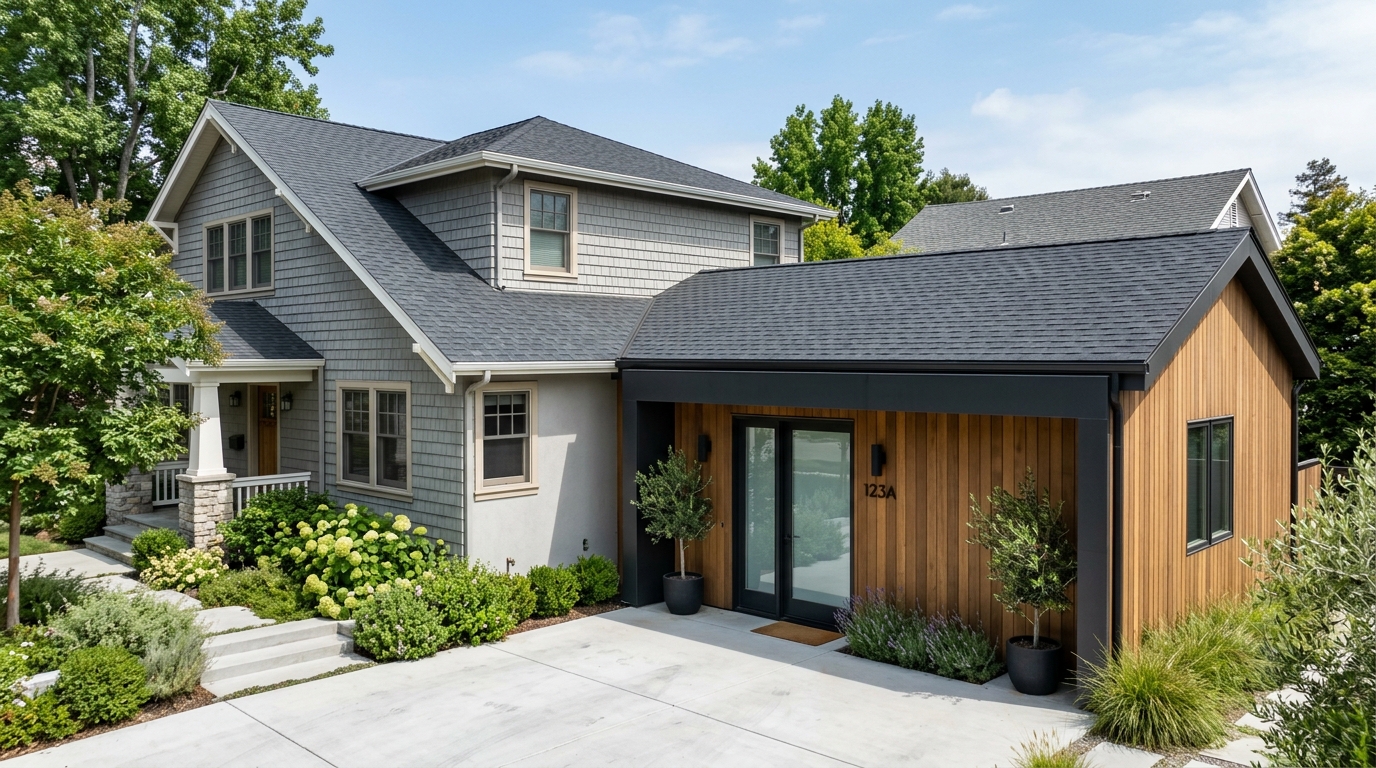
Navigating the complexities of California Title 24 regulations requires a clear understanding of when solar requirements do not apply to your project. While detached new constructions often face strict mandates, conversion projects offer a significant legal pathway to avoid these additional costs. If you are transforming an existing garage, basement, or attic into a living space, the state generally considers this a repurposing of existing square footage rather than a new footprint. Because the primary structure was already permitted and built, these internal conversions are typically exempt from the mandatory solar photovoltaic system requirements. This distinction allows homeowners to maximize their property value without the immediate overhead of a power system installation.
Attached ADUs and structural additions represent another common scenario where solar panels may not be legally required. When an ADU is built as an integrated addition to the primary residence, it is often treated under the energy code as an extension of the existing home rather than a standalone building. This classification is vital for budget conscious property owners, as it shifts the compliance focus toward insulation and HVAC efficiency rather than renewable energy generation. Expert review of the architectural connection between units ensures your project qualifies for these Junior ADU requirements whenever possible. By correctly identifying your unit as an addition, you can streamline the permitting process and reduce upfront construction expenses.
The physical size and energy demand of your unit also play a role in determining legal compliance under the current energy standards. If a detached ADU is exceptionally small or shaded in a way that limits production, it may fall below the 1.8 kW minimum threshold for solar installation. Projects that cannot realistically support a system of this size due to roof area constraints or significant environmental obstructions can sometimes qualify for a size related exemption. A thorough site analysis determines how big your specific ADU meets these criteria, ensuring you do not pay for technology that your property cannot effectively support. Understanding these technical nuances is essential for any homeowner looking to build a compliant and cost effective secondary dwelling.
Sizing Requirements And Virtual Net Metering Rules
California’s Title 24 standards dictate that the size of a solar PV system for a detached ADU must be specifically scaled to the unit’s projected electrical load. Rather than a one-size-fits-all approach, the system sizing is calculated based on a formula that considers the square footage of the ADU and the climate zone where the property is located. This ensures that the array is large enough to offset the building’s expected annual energy consumption without being unnecessarily oversized. General contractors must be precise with these calculations during the permitting phase to avoid compliance issues with local building departments. Properly sized systems help homeowners achieve the state’s net-zero energy goals while keeping initial construction costs manageable.
Navigating the legal connection between an ADU solar array and the utility grid involves choosing between a dedicated meter or a shared connection with the primary residence. Many homeowners opt for Virtual Net Metering (VNEM), a policy that allows energy produced by a single solar system to be credited across multiple units on the same property. This legal framework is particularly beneficial for ADUs because it eliminates the need for complex rewiring or installing separate, expensive battery backups for every structure. Under VNEM, the utility company tracks the total production and distributes the credits to the different meters according to a pre-determined allocation. This flexibility ensures that the ADU remains energy efficient while simplifying the billing process for both the landlord and the tenant.
Navigating Solar Requirements for California ADUs
Navigating the complexities of California Title 24 regulations is a fundamental step in ensuring your detached ADU project remains on schedule and within budget. Whether you are deciding between a prefab vs stick-built ADU, understanding how these laws apply to your specific site can prevent costly delays and mid construction corrections. Working with a professional ADU contractor ensures that every energy efficiency standard is met from the initial design phase through the final inspection. Compliance is not just a legal necessity but a guarantee that your investment is built to the highest modern standards of the local building code.
Integrating solar technology into your new accessory dwelling unit offers substantial long term financial benefits that extend far beyond simple regulatory adherence. These systems significantly reduce or even eliminate monthly electricity costs for tenants or family members, making the unit much more sustainable and attractive. By adopting these energy standards now, you are effectively future proofing your property against rising utility rates and increasing its overall market value. Investing in renewable energy during the construction phase is a strategic move that aligns environmental responsibility with smart financial planning.
Choosing to prioritize solar integration reflects a commitment to building a more resilient and self sufficient residential footprint. As California continues to lead the way in green energy initiatives, owners of compliant ADUs will find themselves ahead of the curve in a rapidly evolving real estate market. Modern building standards are designed to create high performance homes that offer superior comfort and lower operating costs for decades to come. Ultimately, following these solar panel laws ensures your new addition is a high quality, efficient, and legally sound asset to your home.
Frequently Asked Questions
1. Are solar panels required for all ADUs in California?
Solar panel requirements depend entirely on the type of ADU you are building. While new, detached structures must include a photovoltaic system under Title 24 standards, many conversion projects are exempt from these mandates. Understanding your specific project category is the first step in determining your legal obligations.
2. What are the solar requirements for a detached ADU?
Newly constructed detached ADUs must include a solar photovoltaic system sized to meet the unit’s expected annual energy consumption. These systems are a core requirement of the Title 24 Energy Efficiency Standards, which aim to achieve net zero energy for all new residential builds. You must account for these installations during the initial design phase to ensure your permit is approved without delays.
3. Do I need solar panels if I am converting my garage into an ADU?
If you are converting an existing structure like a garage, attic, or basement into an ADU, you are typically exempt from the solar mandate. Many homeowners find that an in-law suite garage conversion in Los Angeles is a highly cost-effective way to add living space without the added expense of a new solar array. Because these projects utilize an existing building footprint rather than creating a brand new structure, they fall under different regulatory categories. This exemption can save you thousands of dollars in upfront construction costs.
4. How is the required size of an ADU solar system determined?
The size of the solar system is calculated based on the square footage of the ADU and the climate zone where your property is located. The goal is to offset the projected electrical demand of the unit to reach a net zero energy balance. Professional energy modeling is often used during the permitting process to find the exact kilowatt capacity required for your specific build.
5. Can I use the solar panels on my main house to satisfy the ADU requirement?
You can often meet the requirement by expanding your existing main house solar system, provided the total output covers the needs of both dwellings. The system must be sized appropriately to handle the additional load created by the new unit. This is a common strategy for homeowners who want to streamline their energy infrastructure and maintain a clean roofline.
6. What happens if I fail to include solar panels in my detached ADU plans?
Failing to include a compliant solar system in your design will lead to the rejection of your building permit application. California local building departments strictly enforce Title 24 standards, and you cannot receive a final certificate of occupancy without a functional, inspected solar installation. Integrating these requirements early prevents expensive mid project revisions and regulatory headaches.